2026 Best Packaging and Machinery Suppliers Worldwide
Choosing the 2026 Best Packaging and Machinery Suppliers Worldwide requires more than comparing glossy brochures. This guide examines manufacturers through practical performance, technical capability, service quality, and documented reliability. It considers filling accuracy, sealing consistency, changeover time, energy use, and operator safety. A machine may look impressive on a showroom floor. Its real value appears during a twelve-hour production shift.
The review also considers materials, software integration, spare-parts access, training, and regional support. Suppliers serving food, beverage, pharmaceutical, cosmetic, and industrial markets must demonstrate suitable quality controls. Clear specifications matter. So do test reports, warranty terms, installation records, and customer experience. Independent certifications can strengthen confidence, but certification alone cannot explain every factory result.
Performance varies.
A compact pouch line may suit a growing producer better than a large automated system. Established companies may need robotic palletizing, vision inspection, or track-and-trace connectivity. Smaller operations may prioritize simple controls and quick maintenance. This is where comparisons become imperfect. Supplier information can change, and published figures do not always reflect local operating conditions. Readers should confirm capacity, utilities, compliance requirements, and service coverage before purchasing.
The selected companies represent notable options, not universal answers. Their strengths may differ across speed, flexibility, engineering depth, and lifecycle cost. By combining available evidence with practical evaluation, this overview aims to support informed decisions. It keeps the focus on dependable packaging and machinery solutions that can perform consistently, adapt responsibly, and create measurable value in real production environments.
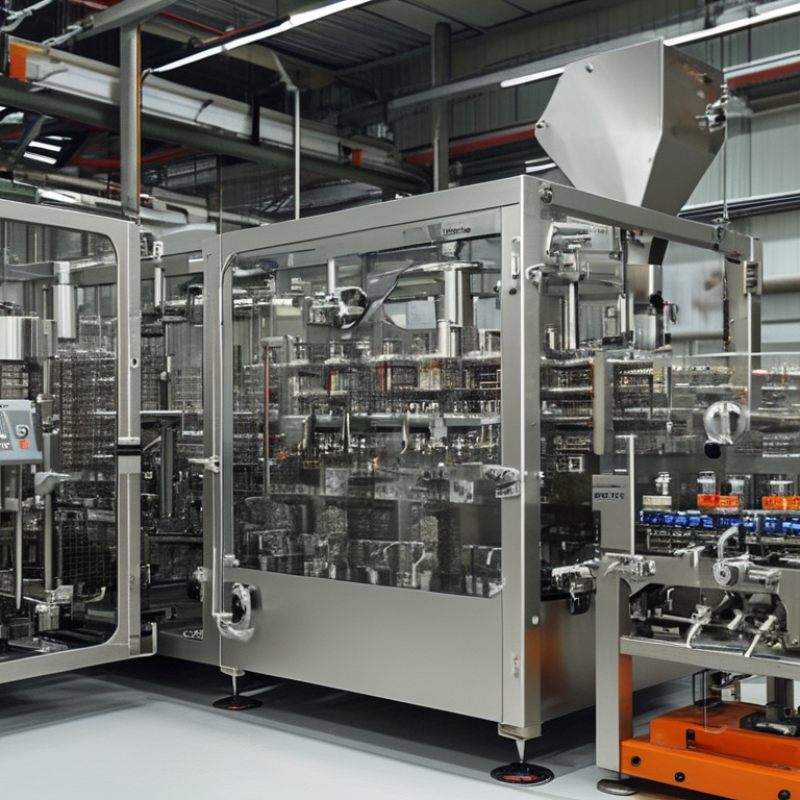
Industry Scope and Role of Packaging and Machinery Suppliers
2026 Best Packaging and Machinery Suppliers Worldwide
Packaging and machinery suppliers support far more than product wrapping. They connect material selection, machine performance, labor needs, safety, and distribution efficiency. Their industry scope covers filling, sealing, labeling, inspection, coding, palletizing, and automated handling. Reliable suppliers also provide installation, operator training, spare parts, and measurable maintenance plans. These services protect production continuity, not just equipment purchases.
In practical plant evaluations, equipment value depends on the complete operating environment. A fast machine may fail when materials vary or staff training is weak. Suppliers should explain speed limits, energy use, changeover time, and cleaning requirements. They should also provide tested specifications and realistic performance data. Independent validation matters. No supplier is perfect, and buyers sometimes trust impressive demonstrations too quickly. That mistake can create expensive downtime later.
Tips: Request sample testing with your actual packaging materials. Check service response times in writing. Ask for total ownership costs, including tools, software, maintenance, and training. Review safety documentation before signing. Small gaps matter. A dependable supplier listens to production problems and adjusts the solution without hiding limitations. Regional support, transparent communication, and traceable quality records often distinguish a long-term partner from a short-term seller.
Key Criteria for Evaluating Global Packaging Equipment Providers
When evaluating global packaging equipment providers, start with the production task, not the sales brochure. Define the product format, target speed, materials, batch sizes, and available floor space. A machine that runs 180 packs per minute may struggle with frequent product changes. That matters.
Request a supervised factory acceptance test using your actual film, cartons, containers, or labels. Measure seal strength, filling accuracy, changeover time, noise, and rejected units. Ask how performance changes after eight hours of continuous operation. Small details matter. Review the control system, data access, safety functions, and compatibility with existing equipment. Technical drawings should show maintenance clearances, utility needs, and operator access. Vague specifications deserve careful questioning.
Service capability often separates a dependable supplier from an impressive one. Check local technicians, response times, spare-part availability, remote support, training, and warranty conditions. Speak with current users in similar climates and production environments. Their experience may reveal issues hidden during demonstrations. Total cost should include installation, validation, energy use, consumables, software, maintenance, and planned upgrades. The lowest purchase price can become expensive later. Still, every evaluation has limits. Reference checks may be incomplete, and factory tests cannot reproduce every shift condition. Record assumptions, challenge optimistic figures, and leave room for operator feedback after commissioning. A practical scorecard should compare evidence, not promises.
Leading Packaging Machinery Categories and Their Applications
Packaging machinery suppliers now serve different production needs, from small workshops to high-volume factories. The right category depends on product shape, material, speed, and hygiene requirements.
Filling machines handle liquids, powders, and granular products with controlled dosing. Form-fill-seal systems create pouches from flexible film, reducing manual handling and material waste. Cartoning machines place products into folded cartons for retail distribution. Labeling equipment supports traceability and clear product information. Palletizing systems arrange finished cases for safer storage and transport. Inspection units use cameras, sensors, or weight checks to identify missing seals and incorrect packaging.
These applications are not interchangeable. A fragile product may need gentle conveyors and slower robotic movement. A dusty powder may require enclosed feeding and effective cleaning access. In my experience, line balance matters as much as machine speed. One fast unit can create a costly bottleneck downstream. That detail is easy to miss.
Tips: Check changeover time, spare-part availability, operator training, and cleaning procedures before purchase. Request test runs using your actual products and packaging materials. Measure noise, waste, and downtime, not only output. A supplier should provide clear technical documents, safety guidance, and realistic performance data. Claims without test conditions deserve careful review. Also, leave room for improvement. Initial settings are rarely perfect.
2026 Best Packaging and Machinery Suppliers Worldwide
Leading Packaging Machinery Categories and Typical Applications
The chart compares representative industrial throughput ranges, measured in units per minute, across major packaging machinery categories. Applications include food, beverages, pharmaceuticals, personal care, chemicals, and fast-moving consumer goods. Actual performance varies according to product format, package size, material, automation level, and line configuration.
Data basis: indicative operating ranges commonly specified for industrial packaging equipment worldwide; ranges are not company or brand performance claims.
Selection, Compliance, and Procurement Considerations for 2026
Supplier selection in 2026 requires more than catalog capacity and attractive unit prices. Operational evidence matters. Ask for installed-line references, uptime records, changeover videos, and service response data from comparable plants. Smithers’ latest packaging market research values worldwide demand above one trillion dollars and forecasts growth through 2028. That expansion increases pressure on lead times, validation, spare parts, and operator training.
Compliance must enter the tender, not appear after purchase.
Require risk assessments, technical files, electrical documentation, and conformity declarations for each machine. Check applicable rules in every destination market, including evolving packaging and recycling requirements. The OECD Global Plastics Outlook found that only 9% of plastic waste was recycled in 2019. Therefore, request material specifications, recyclability evidence, and measurable energy data. Do not accept vague sustainability language.
Procurement teams should score total cost, not only the purchase price. PMMI reported approximately 10.2 billion dollars in U.S. packaging machinery shipments during 2023, showing a substantial investment base. Compare commissioning, validation, downtime exposure, training, and five-year maintenance costs. Use a weighted scorecard. Factory acceptance tests should measure speed, reject rates, safety interlocks, and format changes. One uncomfortable lesson remains: the cheapest quote can be the least predictable. Forecasts are not guarantees. Document assumptions, challenge optimistic throughput claims, and keep a qualified backup supplier.