Choosing a tray machine in 2026 is not simply a matter of comparing speed and price. Global buyers must examine tray size, material compatibility, sealing accuracy, energy use, cleaning access, and after-sales support. A compact machine may suit a growing food processor, while a high-output system may serve a large factory better. The wrong match can create waste, delays, and expensive production changes.
Jorge Izquierdo, a packaging machinery specialist and former PMMI executive, offers a useful principle: “The right equipment must fit the process, not the other way around.” That idea shapes this review of the 7 Best Tray Machines for Global Buyers in 2026. Each option is considered through practical details, including changeover time, operator controls, maintenance needs, and performance with different tray materials. Small details matter. A difficult film adjustment can slow an entire line.
No ranking is perfect. A machine that performs well in one country may face service or supply challenges elsewhere. Local technicians, spare-part availability, voltage requirements, and certification expectations can change the real purchase value. Buyers should inspect test samples, request transparent technical data, and calculate total ownership costs before signing an order. Some machines may appear affordable but require frequent manual intervention. Others may cost more initially and deliver steadier output. This guide aims to make those differences clearer, while recognizing that every factory has limits, compromises, and occasional surprises.
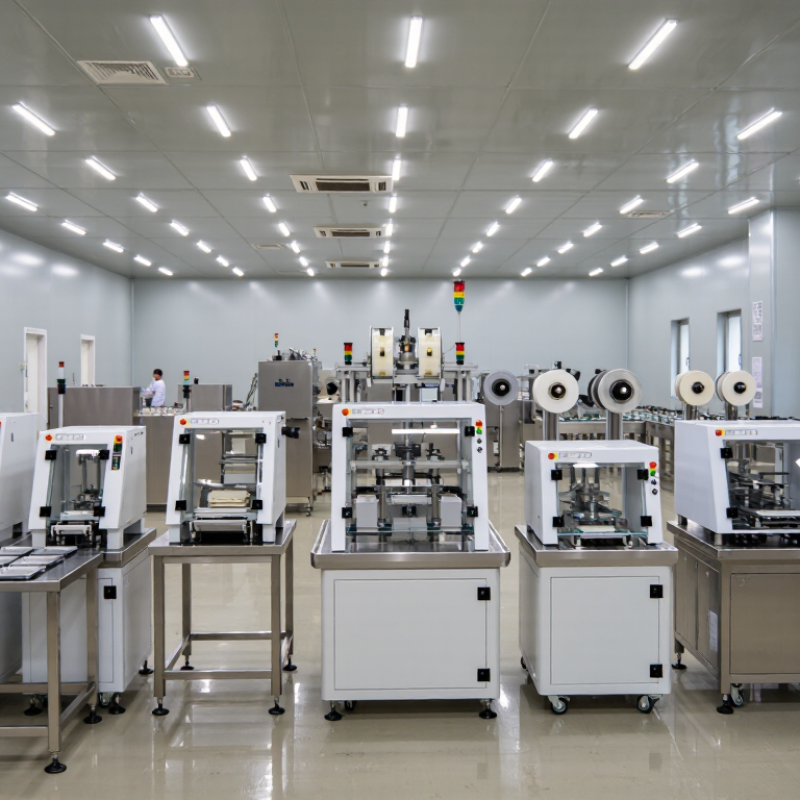
Tray machines form, fill, seal, or handle trays for food, medical supplies, electronics, and industrial parts. Their exact function depends on the machine design and production line.
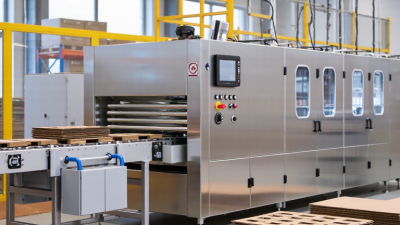
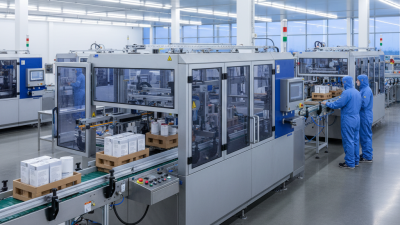
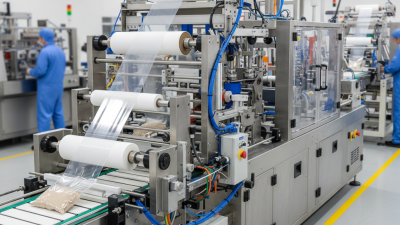
A forming model heats plastic sheet until it becomes flexible. A mold then presses the sheet into cavities, creating consistent tray shapes. Filling equipment places products into each cavity, while sealing units apply film or lids. Conveyor systems move trays between these stages. Sensors check position, temperature, and film tension during operation.
Small details matter. A slightly uneven tray can cause poor sealing or product movement. For global buyers, the machine should match local voltage, available materials, factory space, and expected output. Request sample testing before purchase. Watch how the machine handles different tray depths, corner shapes, and material thicknesses.
Speed is not everything. Higher output may increase waste, maintenance needs, and operator training time. A realistic evaluation should measure usable trays per hour, not only the advertised cycle rate. Safety guards, emergency stops, cleaning access, and replacement-part availability also deserve careful review. No machine is perfect. Even an efficient system may need manual inspection when products vary in size. That limitation should be recorded before installation, not discovered after production begins.
7 Best Tray Machines for Global Buyers in 2026
The Seven Tray Machine Types Compared
Vacuum forming machines suit lightweight trays for produce, electronics, and general packaging. They use heat and suction to shape plastic over a mold. Thermoforming machines offer tighter control, faster cycles, and cleaner edges. They fit larger production runs. Rotary tray machines use several stations in one circular layout. This design can reduce idle time, but mold changes may take longer than expected. Inline machines connect heating, forming, cutting, and stacking. They save floor space and labor when production remains steady. They can become inefficient when product sizes change often.
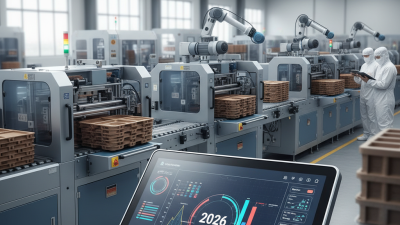
Manual tray machines work well for samples, seasonal orders, and small factories. Operators control loading and inspection directly. Semi-automatic machines add powered forming or cutting, while workers manage feeding and removal. They offer a useful middle ground. Fully automatic tray machines handle feeding, forming, trimming, stacking, and basic quality checks. Robotic tray systems provide flexible loading and transfer. They suit mixed products and irregular production schedules. Yet, integration requires skilled technicians, reliable sensors, and careful safety training.
Buyers should compare output per hour, material thickness, mold cost, energy use, and spare-part access. Ask for sample trays made from your actual material. A shiny demonstration sample proves very little. Check edge strength, stacking accuracy, and changeover time. Noise, compressed-air demand, and cleaning access also matter. No machine wins every test. A cheaper unit may cost more after repeated downtime. My practical preference is cautious: confirm service response, operator training, and written performance limits before signing an order.
The chart compares seven widely used tray-machine configurations by indicative production capacity. Actual output depends on tray dimensions, material, sealing method, product type, automation level, and changeover requirements.
Higher throughput is generally associated with rotary, thermoforming, and fully automated inline systems, while manual and semi-automatic machines are often preferred for lower-volume production and greater flexibility.
Choosing among seven tray machine types depends on product texture, output, packaging material, and labor availability. Manual and semi-automatic sealers suit small kitchens, pilot lines, and changing tray sizes. Automatic tray sealers support steady output, accurate film cutting, and fewer handling errors. Vacuum and modified-atmosphere models help protect fresh products when gas control and seal integrity are properly tested. Thermoforming machines can create trays from flexible web materials, saving storage space but requiring skilled setup.
Paper-based tray systems may suit buyers reducing plastic use, although moisture resistance must be verified. High-speed rotary machines fit large factories with stable product specifications. Servo-driven models offer precise movement, recipe storage, and smoother changeovers. A common mistake is choosing speed before checking cleaning access, spare-part supply, and local electrical standards. Faster is not always better.
Tips: Test real trays, films, and products before purchasing. Check seal strength after refrigeration and transport simulation. Ask for documented output rates, not showroom claims. Confirm voltage, language settings, operator training, and maintenance support. Leave room for mistakes during changeovers; production rarely stays perfect. A machine that is easy to clean may outperform a faster model with difficult maintenance.
A tray machine’s headline speed can mislead global buyers. Capacity should be measured with the real tray, product weight, sealing film, and changeover time. A unit rated at 120 trays per minute may deliver less after washing, inspection, and material loading. The International Federation of Robotics reported 541,302 industrial robots installed worldwide in 2023, showing strong automation demand. Yet automation is not always the best answer. A smaller machine with stable feeding may outperform a faster, frequently stopped system.
Standards require closer checking. Ask for electrical documentation, risk assessments, guarding details, and material certificates before purchase. ISO’s 2023 Survey recorded 1,265,216 ISO 9001 certificates worldwide, but certification alone does not prove reliable machine construction. For food applications, verify suitable food-contact materials under the destination market’s rules. Regional requirements may include CE conformity, UL-related electrical practices, or local sanitation provisions. These details affect customs clearance, installation, and operator safety.
Support is often the forgotten buying factor. Request spare-parts lists, response targets, remote diagnostics, and training hours in writing. A useful supplier should explain the first-year maintenance schedule, not only the warranty period. Ask for references using similar tray sizes and products. This is practical evidence. Still, no factory test predicts every production shift. Condensation, uneven products, or inexperienced operators can expose weaknesses. Build a paid acceptance test around your actual materials, then document every deviation.
Choosing the best tray machine starts with your product, not its price. Measure tray size, filling weight, film type, sealing temperature, and daily output. A machine running 40 trays per minute may be unsuitable if changeovers take 45 minutes. PMMI’s 2024 packaging machinery research identifies labor pressure, automation, uptime, and flexible production as major investment factors. These issues matter when one line handles several products.
Check hygiene access, sealing consistency, sensor accuracy, and spare-part availability. Ask for factory trials using your real trays and film. Record seal strength, rejected packs, energy use, and cleaning time. A machine can appear excellent during a short demonstration, yet perform poorly after eight hours of production. This is where buyers often misjudge total cost. FAO reported that 13.2% of food was lost between harvest and retail in 2021. Better sealing cannot solve every cause, but unstable packaging may increase avoidable waste. The OECD reported 353 million tonnes of plastic waste globally in 2019, with only 9% recycled. Material efficiency deserves equal attention.
Tips: Compare total cost over five years. Include tooling, labor, utilities, maintenance, film waste, and training. Choose recyclable structures only when your sealing process supports them. Test difficult products, not perfect samples. I would also leave room for doubt; future packaging rules and customer formats may change faster than expected. A modular machine may cost more today, but reduce replacement pressure later.
Comparative benchmark of common tray-machine categories for international purchasing decisions. Specifications are typical market ranges and may vary by configuration.
| Rank | Tray Machine Type | Best For | Typical Output | Common Tray Size / Capacity | Main Material | Automation Level | Key Selection Advantage | Typical Power Range |
|---|---|---|---|---|---|---|---|---|
| 1 | Automatic Molded-Pulp Tray Machine | Large-scale egg, fruit, bottle, and protective packaging production | 3,000–12,000 trays/hour | 12–60 cells or custom molded shapes | Recycled paper pulp | High | High throughput, consistent forming, and strong suitability for export-oriented factories | 80–250 kW |
| 2 | Rotary Pulp Tray Forming Machine | Medium-to-large producers requiring continuous forming | 1,500–6,000 trays/hour | 12–30 cells or molded inserts | Recycled paper pulp | Medium to high | Good balance between production capacity, equipment cost, and operating complexity | 35–120 kW |
| 3 | Semi-Automatic Pulp Tray Machine | Start-ups, regional suppliers, and small manufacturing plants | 800–2,500 trays/hour | 6–30 cells or custom trays | Recycled paper pulp | Medium | Lower initial investment and easier maintenance than fully automated production lines | 15–45 kW |
| 4 | Thermoforming Food Tray Machine | Meat, seafood, produce, ready-meal, and food-service packaging | 20–80 cycles/minute | Single or multi-cavity trays; custom molds | PET, PP, PS, PLA, or barrier laminate | High | Suitable for precise dimensions, repeatable quality, and high-volume food packaging | 60–220 kW |
| 5 | Vacuum Skin or MAP Tray Sealing Machine | Fresh food processors seeking extended shelf life and tamper-evident packaging | 8–40 packs/minute | Commonly 187–325 mm tray widths | Rigid plastic trays and lidding film | Medium to high | Improves product presentation and can reduce oxygen exposure when correctly configured | 10–50 kW |
| 6 | Manual or Pneumatic Tray Sealing Machine | Restaurants, laboratories, small food processors, and low-volume packaging | 3–15 packs/minute | Approximately 150–400 mm tray width | Plastic, aluminum, or paper-based trays | Low to medium | Compact footprint, straightforward operation, and relatively low purchase cost | 1–8 kW |
| 7 | Automatic Tray Denesting and Filling Line | High-speed packaging operations handling preformed trays | 30–120 trays/minute | Tray dimensions configured to the product | Plastic, pulp, aluminum, or paperboard | High | Reduces manual handling and integrates with weighing, filling, inspection, and sealing equipment | 15–75 kW |

© Copyright 2025 | All Rights Reserved