How to Choose a Horizontal Packaging Machine in 2026?
Choosing a horizontal packaging machine in 2026 requires more than comparing prices and advertised speeds. The right machine must fit your product, film structure, production volume, factory layout, and future plans. It should also protect seal quality when temperatures, humidity, and product shapes change.
Jim Pittas, President and CEO of PMMI, has said, “Automation is a key enabler for packaging companies seeking greater efficiency, flexibility, and consistency.” That principle remains practical. A horizontal packaging machine can improve output, reduce manual handling, and create cleaner package presentation. However, automation does not repair poor product control or unsuitable film. That part is often overlooked.
Look closely at the machine’s sealing system. Can it maintain stable pressure across long production runs? Check servo response, film tracking, cutting accuracy, changeover time, and access for cleaning. Ask for test results using your actual product, not only a sample pouch. Small details matter.
Do not chase maximum speed blindly. A machine running at 180 packages per minute may perform worse than one running at 120. Frequent jams, weak seals, and difficult adjustments can quietly erase the expected savings. I have seen specifications look impressive on paper, yet practical results depend heavily on operator training and maintenance discipline.
Consider spare-part availability, remote diagnostics, safety design, and local technical support. Those factors may seem ordinary. They are not.
This guide examines how to compare machine types, evaluate suppliers, estimate total ownership costs, and avoid common purchasing mistakes. Some recommendations may need adjustment for your product. That uncertainty deserves honest attention.
What Is a Horizontal Packaging Machine?
How to Choose a Horizontal Packaging Machine in 2026?
What Is a Horizontal Packaging Machine?
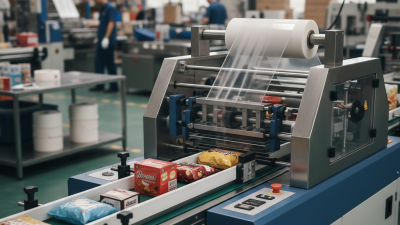
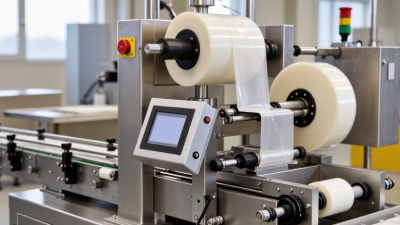
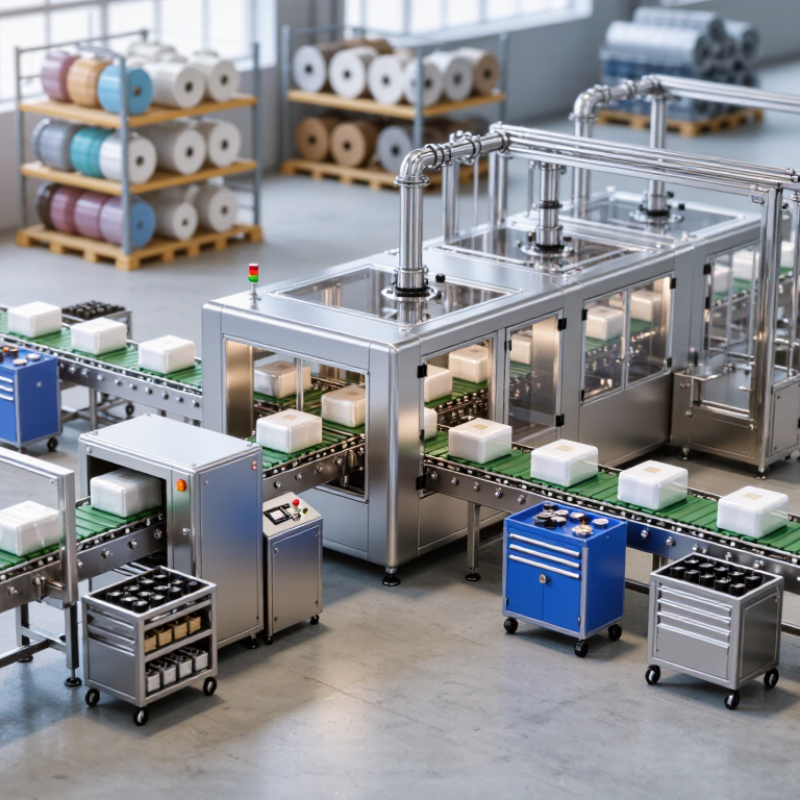
A horizontal packaging machine forms, fills, and seals packages while products move horizontally through the equipment. It commonly uses a continuous film roll to create a sealed pouch around items. The machine may include forming collars, filling stations, sealing jaws, cutting units, and sensors.
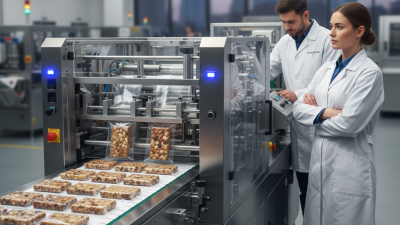
This layout suits biscuits, hardware, medical supplies, and other dry products. Operators can watch the film track through transparent guards. They can also adjust sealing temperature, conveyor speed, and package length from the control panel. In practical production, small alignment errors may cause wrinkles or weak seals. That detail is easy to overlook.
A reliable machine should provide stable film tension, accurate sensors, accessible cleaning points, and clear safety controls. Its performance depends on product shape, packaging material, speed targets, and required seal quality. Faster is not always better. A rushed setting can increase waste and maintenance.
Tips: Test your actual product before purchase. Check seal strength, film compatibility, changeover time, and operator access. Ask for documented performance data, not only attractive speed claims. Review safety features and service support carefully. A perfect choice is rare, so record what the machine cannot do.
How to Compare Machine Specifications and Production Capacity
Choosing a horizontal packaging machine starts with production reality, not the highest speed on a brochure. Compare film width, bag length, sealing range, product dimensions, changeover time, and installed power. PMMI’s 2024 Packaging Machinery Shipments Study reported that U.S. packaging machinery shipments reached about $10.2 billion in 2023. This indicates strong investment, but it does not prove that every fast machine fits your line.
Calculate useful output from the full shift. A machine rated at 120 packs per minute may deliver less after startup, film splicing, cleaning, minor stops, and rejected seals. The OEE framework, used by the OEE Foundation, measures availability, performance, and quality together. For example, 90% availability, 85% performance, and 98% quality produce about 75% OEE. Ask suppliers for tested output using your product, film, and target pack size. I once trusted a catalog speed and underestimated changeover losses. That mistake was expensive.
Tips: Build a comparison sheet with rated speed, proven speed, OEE assumptions, changeover minutes, reject rate, and service response time. Check whether the machine can run your smallest and largest formats without awkward adjustments. Request a factory acceptance test with real materials. Also inspect cleaning access, sensor placement, spare-part availability, and operator training. A spreadsheet can still mislead. Production trials reveal more. Cite PMMI’s shipment data and the OEE Foundation definition when presenting your investment case to management.
What Features Improve Efficiency, Safety, and Product Quality?
A horizontal packaging machine should improve efficiency, safety, and product quality at the same time.
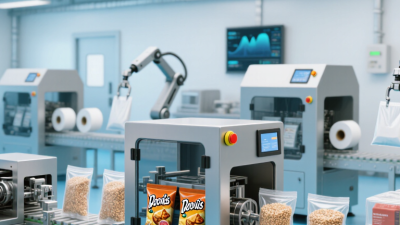
According to PMMI’s 2023 State of the Industry report, U.S. packaging machinery shipments reached about $10.3 billion in 2022. That investment reflects a practical concern: downtime is expensive. Choose servo-driven film control, automatic tension adjustment, and tool-free changeovers. These features reduce wasted film and shorten cleaning periods. Recipe storage also helps operators repeat settings accurately. Good, but not perfect.
Efficiency depends on real production conditions.
PMMI reports that labor availability remains a major packaging challenge. Ask for clear controls, remote diagnostics, and simple operator training. Safety requires more than an emergency-stop button. OSHA’s 2024 Top 10 list still included machine guarding violations. Select guarded sealing areas, interlocked doors, and automatic fault stopping. Sensors should detect film breaks, open guards, and product misalignment before damage occurs. Test these functions during acceptance trials, not only during installation.
Product quality improves when the machine controls temperature, pressure, and sealing time consistently.
Check seal samples from the first and last production cycles. Inspect weak edges, wrinkles, and trapped product. Stainless steel contact areas, washdown-friendly design, and accessible inspection points support hygienic operation. However, a fast machine can still create poor packages when materials change. I would leave room for adjustment. Ask suppliers to test your actual film, product size, and operating speed before purchase.
How to Select a Reliable Machine and Plan for Future Needs
How to Choose a Horizontal Packaging Machine in 2026?
A reliable horizontal packaging machine should match your real production conditions, not only a brochure’s highest speed. Measure product length, film width, package weight, and daily operating hours. During a factory trial, run your smallest and largest products. Watch the sealing jaws closely. Uneven seals often appear after several hours, not during a short demonstration. Ask for documented test results, maintenance records, and references from similar production environments.
Plan beyond today’s order volume. Select a machine with adjustable forming parts, accessible controls, and space for future feeding equipment. Servo-driven adjustments can improve changeover accuracy, but they may require stronger technical support. Confirm the availability of wear parts, wiring diagrams, training, and remote troubleshooting. A clear service process matters when production stops at 2 a.m. It should not depend on one technician’s memory.
No machine is perfect. I have seen buyers focus on speed and overlook cleaning access, noise, and operator movement. That mistake becomes expensive after installation. Leave practical room for inspection and repairs. Test new packaging materials before signing the final specification. Recyclable films may require different temperature settings and sealing pressure. A machine that handles only one familiar film could limit future product plans. Ask difficult questions now, even when the sales meeting feels uncomfortable. Reliability is built through evidence, careful testing, and honest discussion of weaknesses.