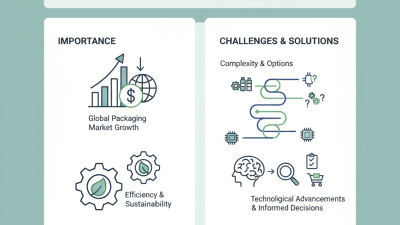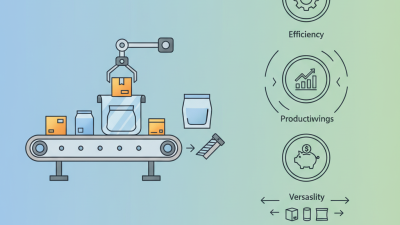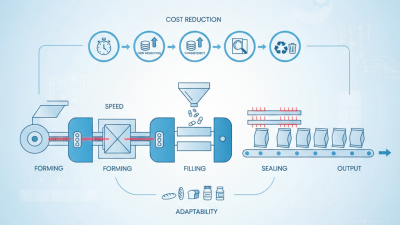
Choosing the right fill and seal machine can significantly impact your production efficiency. With various options available, it's crucial to understand what suits your needs. Quality machinery can enhance your packaging process, but making the wrong choice might hinder your operations.
Consider factors such as speed, durability, and the types of products you'll be packaging. The right fill and seal machine should accommodate various materials and sizes. It’s easy to overlook these details when making a purchase. Without proper research, you might end up with a machine that doesn’t meet your expectations.
Take time to analyze industry standards and user reviews. Connect with manufacturers to gain insights. Understanding your needs is key to a wise investment in equipment that lasts. Choosing a fill and seal machine is a decision that requires both reflection and diligence.
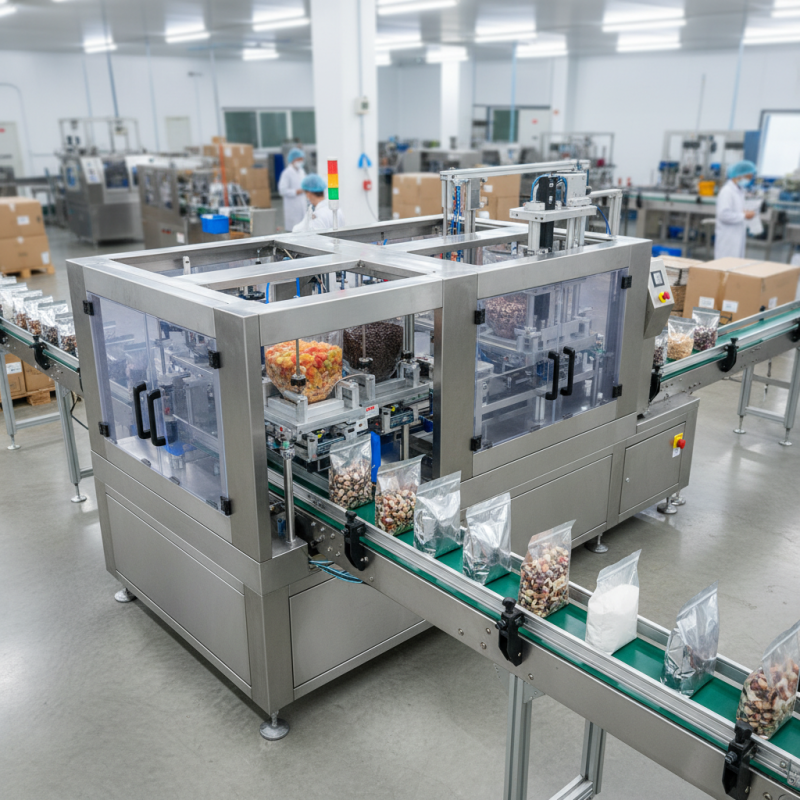
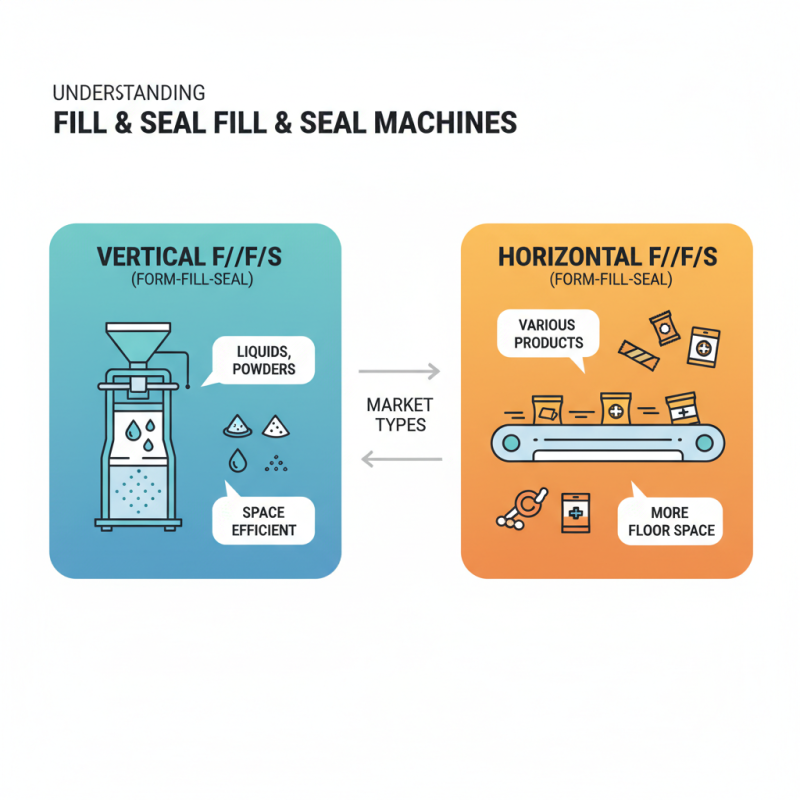
When exploring the market for fill and seal machines, it's vital to understand the types available. The most common are vertical and horizontal machines. Vertical fill and seal machines work well for liquids, powders, and granules. Their design allows for efficient use of space. Horizontal machines, on the other hand, cater to a range of product types but usually require more floor space.
Additionally, consider specialized machines like those for flexible packaging. These can be incredibly useful for specific industries. For instance, food and pharmaceuticals often require precise filling to ensure product safety. It's important to evaluate how each type can fit your production needs. However, don’t overlook machine limitations. Some may not handle viscous products well, which can lead to slow production times.
The material of the packaging should also guide your choice. Certain machines are better suited for plastic, while others excel with paper or foil. It's essential to weigh these factors carefully. Conducting thorough research can help you make an informed decision. Yet, one must remain flexible. The right machine may not fit all criteria at once, and it's okay to revisit your choices.
When selecting a fill and seal machine, key features significantly impact efficiency. Look for machines with adjustable filling volumes. This versatility can accommodate different product sizes. A report from the Packaging Machinery Manufacturers Institute highlights that customization can improve throughput by up to 25%.
Consider the sealing technology employed. Heat sealing, for instance, generally provides a robust seal. However, it may not be suitable for all materials. An alternative like ultrasonic sealing can be effective for delicate films, ensuring product integrity. Manufacturers using the wrong sealing method have reported up to 15% more defects, which can be costly in the long run.
Ease of use is another crucial aspect. Machines should have intuitive controls and clear displays. Operators often struggle with complex interfaces, which can slow production. A study by the Food and Drug Administration found that user-friendly designs can reduce errors by 30%. Features like automatic cleaning systems also enhance reliability, minimizing downtime. Ultimately, assessing these attributes can lead to better decisions, potentially avoiding pitfalls like inefficient production or high error rates.
| Feature | Importance | Considerations |
|---|---|---|
| Speed | High productivity and efficiency | Match production volume needs |
| Versatility | Ability to handle different products | Check for customizable options |
| Material Compatibility | Ensures proper sealing and filling | Identify the materials to be used |
| Ease of Use | Reduces training time for operators | User-friendly controls and interfaces |
| Maintenance | Ensures longevity of the machine | Consider ease of access for repairs |
| Safety Features | Protects operators and environment | Look for safety certifications |
| Cost | Affects budget and ROI | Balance initial cost with long-term savings |
| Support and Service | Minimizes downtime | Evaluate available support options |
| Technology and Automation | Improves efficiency and accuracy | Consider integration with existing systems |
| Size and Footprint | Affects installation space | Ensure adequate space in your facility |
When selecting a fill and seal machine, production speed and efficiency play a crucial role for businesses. According to industry research by the Packaging Machinery Manufacturers Institute (PMMI), nearly 70% of manufacturers prioritize speed when investing in new equipment. This factor significantly influences overall productivity. Machines that can achieve a high output without compromising quality often lead to decreased operational costs in the long run.
However, evaluating the appropriate speed requires a deep understanding of product-specific needs. A faster machine may not always be the optimal choice. For instance, filling delicate products may necessitate a slower rate to avoid damage. Industry standards suggest a balance between speed and accuracy, with ideal machines maintaining an efficiency of over 90%. Regularly monitoring machine performance and making adjustments can ensure that your production line operates optimally.
Additionally, consider the versatility of the fill and seal machine. Many businesses face the challenge of switching between different product sizes and types. A machine that excels in one area may struggle in another. Research indicates that adaptable machines can improve production efficiency by up to 40% during transitions. Investing in systems that accommodate diverse requirements can greatly enhance a company’s agility in the marketplace.
Selecting the right fill and seal machine is crucial for efficient packaging. One key factor to consider is the compatibility of the machine with your packaging materials. Industry reports indicate that improper material compatibility can lead to a 30% decrease in production efficiency. Therefore, understanding the properties of the films, pouches, and containers you plan to use is vital.
When evaluating machines, check specifications like seal temperatures and material thickness. Some machines may not handle thicker films effectively, resulting in compromised seals. Understanding the specific requirements of your packaging materials will enhance overall productivity.
Tip: Conduct tests with your materials before investing in a machine. This can save time and costs in the long run. Also, consider the machine's adaptability. In an evolving market, having a machine that can switch between various materials is beneficial. Compatibility is not just about immediate needs; it's about future-proofing your production line. Data suggest that 45% of businesses face challenges due to lack of adaptability in their packaging machinery. Making informed choices today can lead to sustained growth tomorrow.
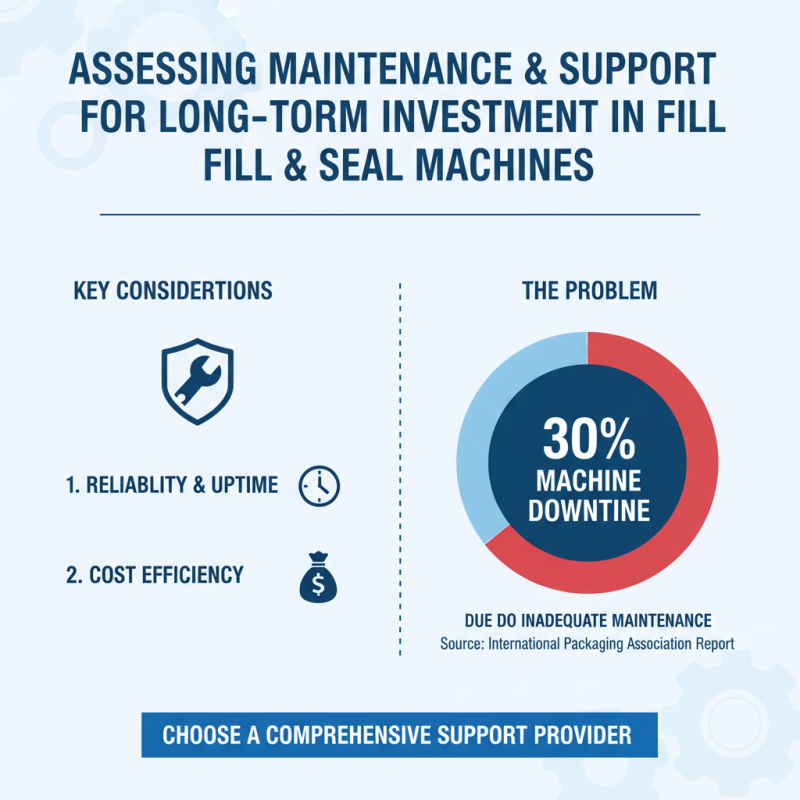
When investing in a fill and seal machine, evaluating maintenance and support services is crucial. According to a report from the International Packaging Association, nearly 30% of machine downtime is due to inadequate maintenance. This figure emphasizes the importance of selecting a provider that offers comprehensive support.
Consider the implications of machine failures. In a fast-paced production environment, even a brief halt can lead to significant financial losses. A survey by the Packaging Machinery Manufacturers Institute highlights that companies lose an average of 20% of productivity during unexpected machine repairs. Opting for machines that come with robust maintenance agreements can minimize these disruptions.
Furthermore, the long-term relationship with suppliers can impact efficiency. Many companies overlook the value of ongoing support. A study revealed that 40% of packaging professionals experienced challenges related to after-sales service. Choosing a reliable partner ensures not just equipment performance but also access to expertise for future adaptations. Finding a solution that balances initial cost with long-term reliability is essential for smart investment.

© Copyright 2025 | All Rights Reserved