What is a HFFS Machine and How Does it Work?
In today's packaging industry, the HFFS machine plays a crucial role. Industry expert Alex Johnson states, "The HFFS machine revolutionizes how we think about efficiency." This innovation aligns with the rising demand for fast, reliable packaging solutions.
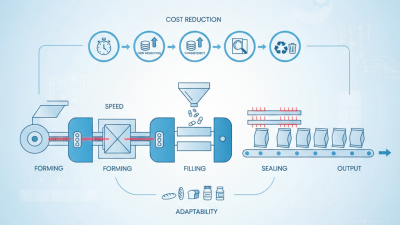
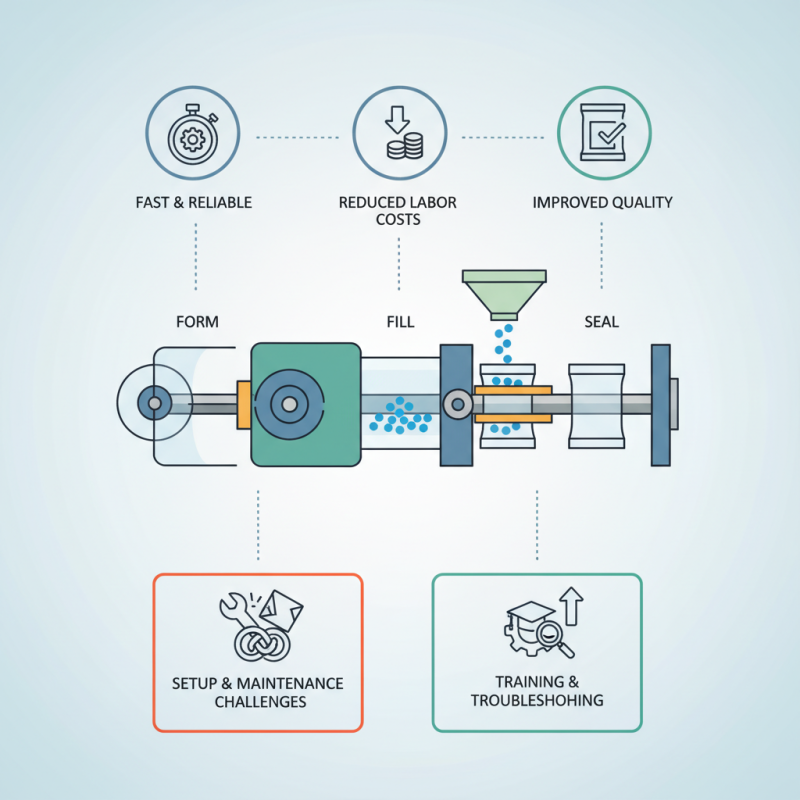
The HFFS machine, or horizontal form-fill-seal machine, operates by forming a pouch from flat film, filling it with product, and sealing it in one continuous process. This method significantly reduces labor costs and packaging time. Many companies are adopting this technology, yet not all achieve optimal results. Some struggle with machine setup and adjustment.
Efficiency comes with its own challenges. Operators may overlook critical maintenance, leading to downtime. Mistakes in setup can result in waste. It is essential to invest time in training and troubleshooting to harness the full potential of the HFFS machine. Understanding these aspects can greatly improve production lines and overall packaging quality.
What is a HFFS Machine: Definition and Overview
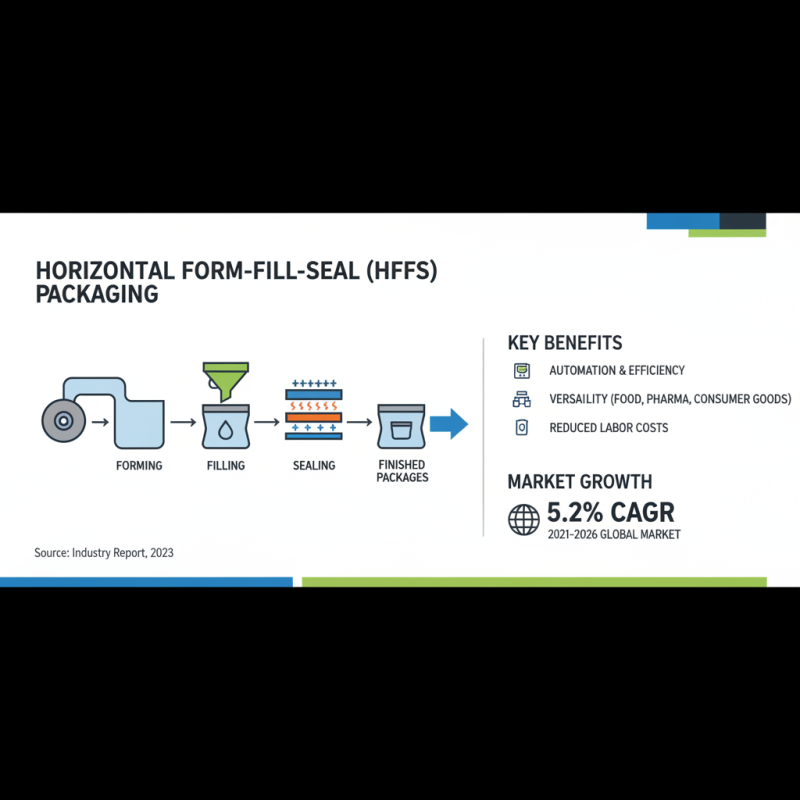
A horizontal form-fill-seal (HFFS) machine automates the packaging process. It forms pouches from a roll of film, fills them with product, and seals them. This equipment is widely used in food, pharmaceuticals, and consumer goods. According to a recent report, the global market for HFFS machines is expected to grow at a CAGR of 5.2% from 2021 to 2026. This growth reflects increased demand for efficient packaging solutions.
HFFS machines offer various benefits. They enhance productivity by reducing operational time. The ability to use different materials allows for customization. Yet, these machines may not be suitable for all products. For instance, products requiring highly sterile conditions might need additional considerations. Industry data suggests that improperly sealed packages can lead to spoilage rates of over 10%. This raises concerns about consistency in production quality. Changeovers between product types can also be cumbersome, leading to downtime.
The HFFS process involves several critical phases. It begins with unwinding the film, then forming it into a pouch. Next, the machine fills the pouch with the product, followed by sealing. Each step must be precisely controlled. Small deviations can compromise the integrity of the package. As production demands increase, some operators may overlook maintenance. This can result in equipment malfunctions and inconsistent packaging quality.
Key Components of a HFFS Machine and Their Functions
A HFFS machine, or horizontal form fill seal machine, is crucial in packaging industries. It automates the process of forming, filling, and sealing flexible packaging. Understanding its key components helps in optimizing operation and maintenance.
The forming section creates a pouch using a roll of film. This machine bends and seals the material, shaping it into a container. Then comes the filling station. Here, products are dispensed into the created pouch. Precision is vital. Too much or too little product can lead to waste.
Sealing is the final step. Heat or pressure hermetically seals the pouch. This ensures product freshness. Each component must work in harmony. Misalignment or malfunctioning parts can cause delays. Regular checks are necessary.
Tips: Always maintain the machine's parts. Routine cleaning can prevent residue buildup. Pay attention to the filling mechanism. Inconsistent filling impacts the overall product quality.
Be cautious of overloading the machine. Pushing limits can break components. Understand each part's role for efficient operation. If something goes wrong, it’s worth reflecting rather than ignoring the issue. Each misstep is a learning opportunity.
HFFS Machine Key Components and Their Functions
How HFFS Machines Operate: The Working Process Explained
HFFS machines, or horizontal form-fill-seal machines, play a crucial role in modern packaging. These machines are designed to create, fill, and seal flexible bags efficiently. The process starts with a roll of film, which feeds into the machine and forms a tube. This tube shape is crucial for maintaining the integrity of the product inside. According to a report by Smithers Pira, the flexible packaging market is anticipated to reach $400 billion by 2027, highlighting the industry's rapid growth.
Once the film is shaped into a tube, the product is filled from one end. The filling process can vary, depending on the product type. For instance, liquid products require different mechanisms than solid or granulated items. The sealing process follows, where heat or pressure is applied. However, inconsistencies can occur. Sometimes, seals may not be strong enough, leading to leaks or product spoilage. This highlights the need for quality control measures throughout the operation.
The entire cycle—from forming to sealing—takes just a few seconds. This speed is one of the advantages of HFFS machines. However, adjustments are often necessary. Machine downtime can occur, impacting the overall efficiency of production lines. Recent industry reports suggest that manufacturers lose up to 20% efficiency due to unscheduled machine stops. Maintaining optimal operation is essential for staying competitive. Each step in the HFFS process must be monitored closely to ensure high quality and performance.
What is a HFFS Machine and How Does it Work?
| Feature |
Description |
Applications |
Benefits |
| Speed |
High-speed packaging process |
Food, Pharmaceuticals, Consumer Goods |
Increased production efficiency |
| Automation |
Fully automated operation |
Industrial packaging lines |
Reduced labor costs |
| Material Compatibility |
Compatible with various film types |
Flexible packaging solutions |
Versatility in packaging |
| Sealing Technology |
Advanced sealing methods for durability |
Heavy-duty products |
Enhanced shelf life |
| Cost Efficiency |
Lower operational costs with bulk production |
Wide range of industries |
Improved profit margins |
Applications of HFFS Machines in Various Industries
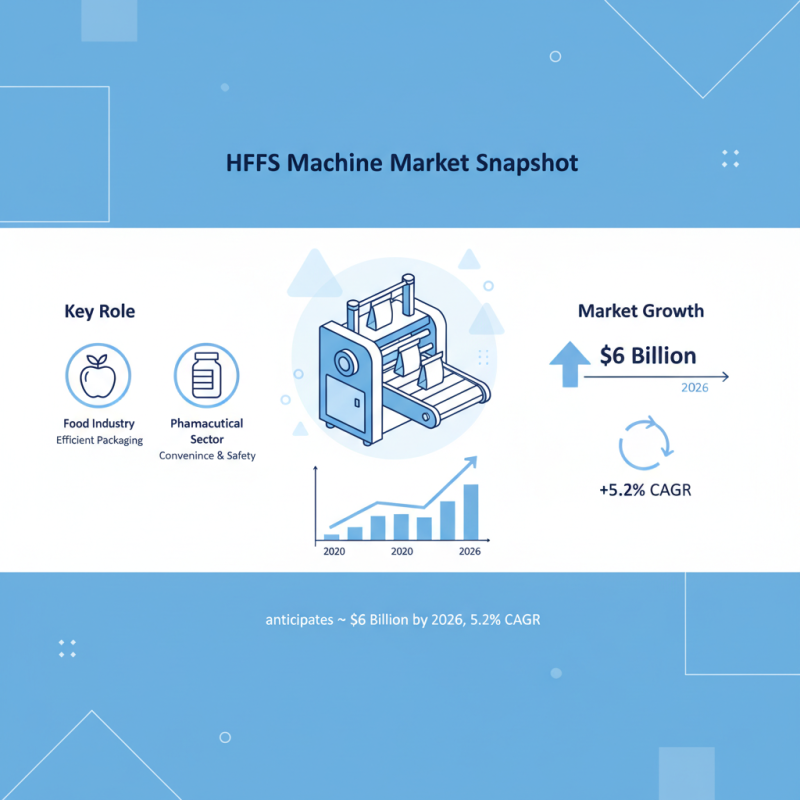
HFFS (Horizontal Form Fill Seal) machines play a crucial role in various industries. They offer efficient packaging solutions, especially in the food and pharmaceuticals sectors. Reports indicate that the global HFFS machine market is anticipated to reach approximately $6 billion by 2026, growing at a rate of around 5.2% annually. This growth highlights their importance in meeting consumer demands for convenience and safety.
In the food industry, HFFS machines are essential for packaging products like snacks and frozen meals. They create airtight seals that preserve freshness and extend shelf life. For example, a report from Food Packaging Insights states that improved packaging technology can increase product shelf life by up to 30%. This benefit is vital in reducing food waste, although ensuring consistent performance remains a challenge. In pharmaceuticals, these machines help in packaging medications securely, maintaining dosage integrity. But issues like misalignment can lead to costly errors in drug delivery.
HFFS technology also finds applications in personal care, where it packages items like wipes and cosmetics. According to a recent market analysis, demand in this sector surged by 20% due to increased consumer preference for hygienic products. However, the machinery’s operational costs can deter smaller manufacturers. Balancing quality with affordability is a constant struggle, revealing areas for improvement in the technology.
Advantages of Using HFFS Machines in Packaging Solutions
HFFS machines, or Horizontal Form-Fill-Seal machines, are revolutionizing the packaging industry. They have numerous advantages that make them a preferred choice for many manufacturers. One significant benefit is efficiency. These machines can produce packaging at high speeds, reducing the time taken for each product.
Another advantage of HFFS machines is flexibility. They can handle various materials, making them adaptable for different products. This flexibility is crucial for businesses that offer a range of items. Moreover, HFFS machines provide consistent and reliable sealing. A well-sealed package ensures that the product remains safe and fresh.
However, it’s important to acknowledge some challenges. Maintenance and setup can be demanding. Regular checks are necessary to ensure optimal performance. If not monitored, the machines may experience downtimes, affecting production rates. Training operators to manage these machines can also require time and resources, which some companies may struggle with. Thus, while HFFS machines offer remarkable advantages, their operation demands careful consideration and planning.