Ultimate Tips for Choosing HFFS Packaging Machine for Your Business?
Choosing the right HFFS packaging machine is crucial for many businesses. According to a report by Smithers Pira, sustainable packaging is projected to grow to a US$ 280 billion market by 2025. This escalating trend signifies the importance of efficiency and quality in packaging processes. An HFFS packaging machine plays a pivotal role in achieving these goals.
However, selecting the appropriate machine can be challenging. Different factors influence the decision, such as product type, packaging material, and production volume. Each business faces unique needs that can make the selection process complex. In fact, up to 30% of companies have reported challenges in optimizing their packaging workflows.
Businesses must also consider the machine’s maintenance and operational costs. An HFFS packaging machine should not only meet immediate needs but also accommodate future growth. It’s essential to reflect on your choices carefully. Investing in a high-quality machine can lead to long-term savings and enhanced productivity.
Understanding HFFS Packaging Machines: Features and Benefits
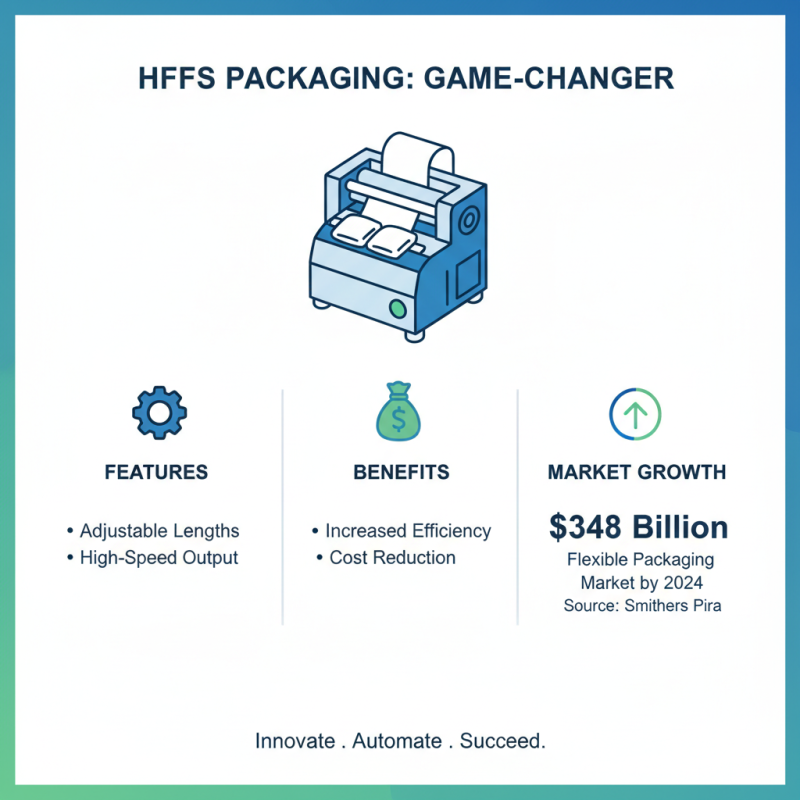
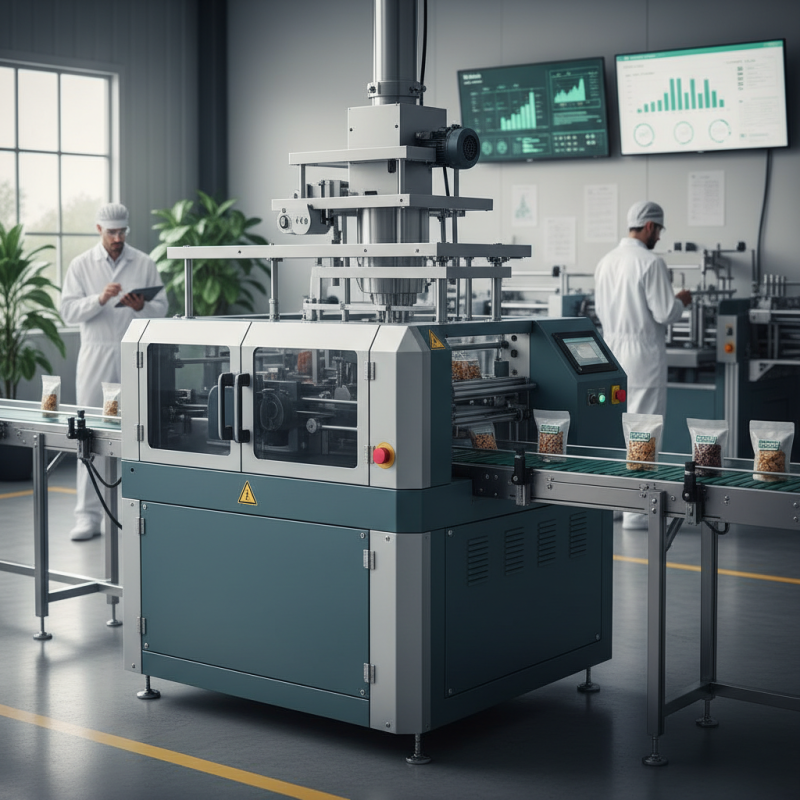
HFFS (Horizontal Form-Fill-Seal) packaging machines have become a game-changer for many industries. Their ability to produce pouches and bags quickly and efficiently makes them invaluable. Features like adjustable packaging lengths and high-speed output align with production demands. According to a report by Smithers Pira, the flexible packaging market is expected to reach $348 billion by 2024. This statistic highlights the increasing importance of effective packaging solutions.
The benefits of HFFS machines extend beyond speed. They significantly reduce material waste and enhance product shelf life. Many businesses experience a 30% reduction in packaging costs by switching to advanced HFFS systems. These machines also offer customization options, allowing companies to tailor designs for branding purposes. However, it’s crucial to assess your specific needs first. Choosing the wrong machine can lead to inefficiencies.
Consider the energy consumption of HFFS machines too. The latest models are more energy-efficient, but not all manufacturers prioritize this feature. In a time of rising energy costs, this could impact your overall budget. Investing in the right machine requires careful deliberation. Assessing the long-term benefits against upfront costs is essential for sound decision-making.
Key Considerations in Selecting the Right HFFS Machine for Your Needs
When selecting a Horizontal Form-Fill-Seal (HFFS) packaging machine, several key factors come into play. Understanding your production needs is crucial. For instance, a 2023 study found that 45% of manufacturers reported increasing their production speeds. If you expect high-volume output, ensure the machine can handle your targets efficiently.
A critical aspect to consider is product compatibility. Different materials require specific settings and configurations. A report by Packaging Strategies indicated that 30% of businesses face challenges due to improper material selection. Evaluate your packaging materials thoroughly, as this can impact machine performance significantly.
Tips for selecting the right machine include analyzing your budget and ROI expectations. Keep maintenance costs in mind. Industry data suggests that proactive maintenance can extend machine life by up to 15%. Also, assess if the machine can adapt to future product lines. Flexibility can save costs and time when diversifying your offerings. Ensure you know what you need before committing. Don’t overlook expert consultations; genuine insights can prevent costly decisions.
Evaluating the Performance Metrics of HFFS Packaging Equipment
When selecting HFFS (Horizontal Form Fill Seal) packaging machines, evaluating performance metrics is crucial. Each machine's speed, efficiency, and error rates provide insights into overall productivity. A recent industry report revealed that high-quality HFFS machines can achieve up to 120 packages per minute. However, not all machines consistently reach this benchmark.
Understanding downtime is essential. According to a study, unplanned downtime can cost businesses over $100,000 per year. Think about your machine's maintenance requirements. If a machine requires frequent repairs, its productivity may drop significantly. Considering service support is often overlooked. A good support system can enhance machine lifespan and reduce costs.
Payload accuracy should not be ignored. Incorrect weights can lead to product waste and customer dissatisfaction. Ensuring the machine accurately fills defined volumes can protect profits. The right metrics matter when assessing performance. Explore various models' specifications. Each machine's efficiency can shape operational workflows and influence market competitiveness. Investing time in measurement ultimately pays off.
Ultimate Tips for Choosing HFFS Packaging Machine for Your Business
| Metric |
Importance |
Description |
Typical Range |
| Speed |
High |
The maximum output of the machine per minute. |
60 - 300 bags/min |
| Efficiency |
High |
The ratio of operational output to maximum potential output. |
85% - 98% |
| Versatility |
Medium |
Ability to handle different types of packaging materials and sizes. |
Varies per model |
| Setup Time |
Medium |
Time required to transition between different product setups. |
5 - 30 minutes |
| Maintenance Frequency |
High |
Interval required for routine maintenance and checks. |
Weekly - Monthly |
| User-Friendliness |
High |
Ease of operation for non-skilled labor. |
Rating Scale 1-10 |
Cost Analysis: Budgeting for HFFS Packaging Machines in Business
When considering HFFS (Horizontal Form Fill Seal) packaging machines, budgeting is essential.
It’s crucial to analyze not just the initial investment, but also ongoing costs. These machines can significantly impact operational efficiency.
A detailed cost analysis helps in understanding both purchase and long-term maintenance expenses.
Evaluate the features you need. Advanced technology often comes with higher price tags. Yet, sometimes, simpler models suffice for smaller operations.
A delicate balance between cost and functionality is vital. Don't be swayed by flashy upgrades.
Reflect on what truly adds value to your production line.
Moreover, look into additional costs like installation, training, and spare parts. These can accumulate and alter the budget.
Seeking expert opinions can provide insights into potential hidden costs. It’s wise to have a contingency plan to handle unexpected expenses.
This awareness can save money and resources in the long run.
Technological Trends Impacting HFFS Packaging in Various Industries
The landscape of Horizontal Form Fill Seal (HFFS) packaging is evolving rapidly.
Technological trends are reshaping how industries operate. According to a report by Smithers Pira, the global flexible packaging market is projected to reach $300 billion by 2025, driven by rising consumer demand for convenience. New materials are making HFFS machines more efficient and sustainable.
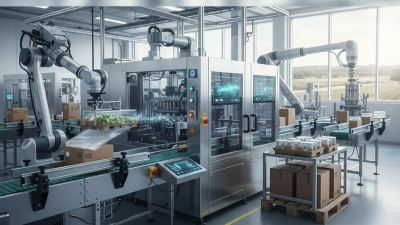
Automation is a key trend affecting HFFS packaging. Companies now incorporate advanced robotics to streamline production. This not only reduces labor costs but also enhances precision in packaging. A study by Freedonia Group highlighted that automation could increase efficiency by up to 25%. However, implementing these technologies requires significant initial investments, which can be a barrier for small businesses.
Sustainability is another critical factor. With growing environmental awareness, there’s a push towards eco-friendly packaging materials. The use of biodegradable and recyclable films is rising. According to a recent survey, nearly 70% of consumers prefer brands that offer sustainable packaging. Yet, the transition can be complicated. Businesses must balance sustainability with cost and performance. These challenges require careful consideration and strategic planning in selecting an HFFS machine.