Top Thermoformer Machine Manufacturers in China?
China has become a major source of industrial forming equipment for food packaging, medical trays, electronics protection, and household products. A modern thermoformer machine can shape plastic sheets with heat, vacuum, pressure, and carefully timed cooling. However, performance depends on more than speed or attractive specifications.
This guide examines leading Chinese manufacturers through practical purchasing criteria. It considers machine structure, heating control, mold compatibility, automation, energy use, and after-sales support. A reliable supplier should provide clear technical drawings, production samples, service records, and realistic delivery terms. Certifications can support credibility, but they should be checked against the actual factory and machine model.
Some details matter.
A factory visit may reveal clean assembly areas, organized wiring, and spare parts stored beside service tools. Trial production can show whether a machine maintains stable thickness across corners and deep cavities. These observations often say more than a polished brochure. Customer references also deserve careful review, especially from companies using similar materials and cycle times.
No manufacturer is perfect. A supplier may offer strong engineering but limited overseas support. Another may provide fast service but fewer customization options. These trade-offs require honest comparison. This article highlights top thermoformer machine manufacturers in China while recognizing that “top” depends on application, budget, output targets, and technical expectations. Buyers should request documented test results and inspect finished samples before making a final decision. Small oversights can become expensive problems later.
What Is a Thermoformer Machine and How Does It Work?
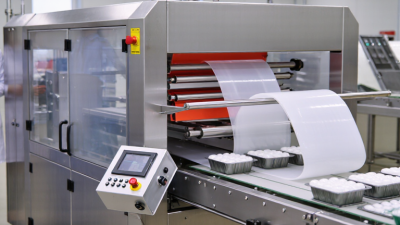
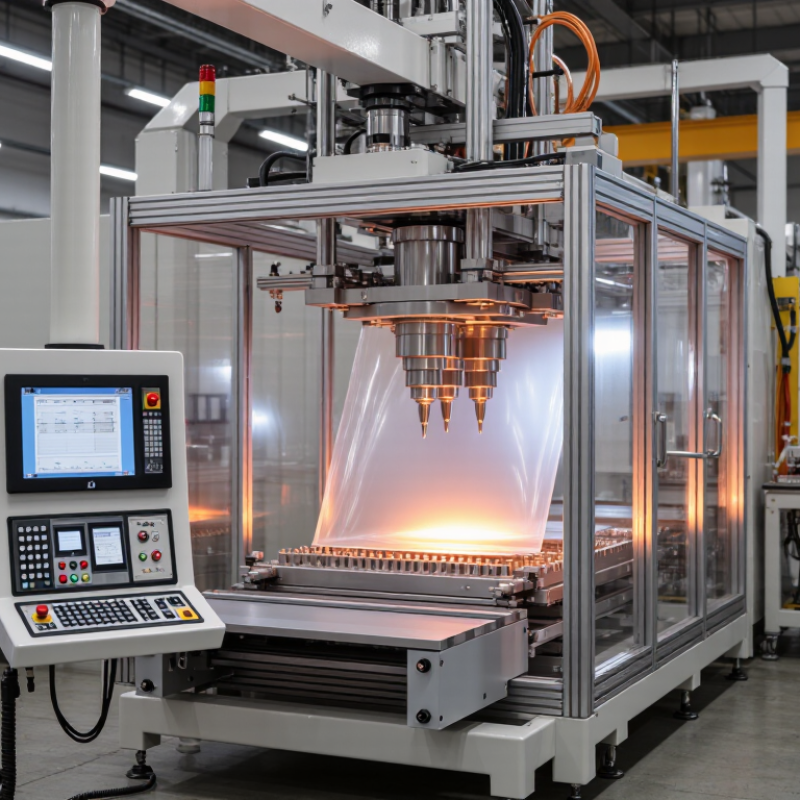
A thermoformer machine heats a plastic sheet and shapes it over a mold. The process begins when heaters soften the sheet evenly. It should become flexible, not liquid. A mold then gives the material its final shape. Vacuum pressure or compressed air pulls the sheet tightly against the mold. Cooling keeps the shape stable. A cutting station removes extra edges.
In daily production, timing matters greatly. I have seen small temperature differences create thin corners or uneven walls. Operators adjust heating zones, forming pressure, cooling time, and sheet speed. Different machines suit different materials, including PET, PP, and ABS. Some models use roll-fed sheets for continuous production. Others use pre-cut sheets for shorter runs. This sounds simple, but it is not. Material behavior can change with humidity, thickness, and mold design. Reliable Chinese manufacturers usually provide testing, machine training, and technical support. Still, buyers should verify these claims through samples and factory records.
Tips: Ask for a full forming trial before purchase. Check sheet thickness after cooling. Inspect corners, edges, and trimming accuracy. Request maintenance instructions and spare-part details. Do not judge a machine by speed alone. Energy use, operator safety, cleaning access, and stable output matter too. I would also test several production cycles, because one successful sample can hide inconsistent performance.
Why China Is a Major Thermoforming Equipment Manufacturing Hub
China has become a major thermoforming equipment manufacturing hub because its industrial ecosystem is broad and highly connected. Machine builders can source heaters, control systems, molds, vacuum pumps, and steel parts locally. This shortens production cycles and makes equipment customization more practical. In my experience, suppliers often adapt machines for food trays, medical packaging, automotive panels, and protective inserts. Different materials require different heating temperatures, forming depths, and cooling methods.
China also offers strong engineering labor and competitive manufacturing costs. Many factories combine computer-aided design, CNC machining, electrical testing, and trial production under one roof. This improves communication between design and assembly teams. Export experience has also encouraged better documentation, remote support, and quality inspection procedures. Still, the advantage should not be exaggerated. Factory capability varies widely, and attractive pricing cannot replace stable testing. A machine may look efficient during a demonstration but perform differently during continuous production.
Tips: Ask for sample forming tests using your actual material and product shape. Check heating uniformity, cycle time, mold-change procedures, and energy consumption. Request inspection records and spare-parts information before ordering. Visiting the factory, physically or by live video, can reveal assembly details that brochures often miss. Leave room for improvement. Early specifications are rarely perfect, especially when production conditions change.
Leading Thermoformer Machine Manufacturers and Their Core Strengths
China’s thermoformer machine manufacturers are known for combining practical engineering with flexible production options. Their core strengths often include custom machine layouts, automated sheet feeding, and stable heating control. Many factories support packaging, food trays, medical containers, and industrial parts. Their teams may adjust mold dimensions, forming depth, cycle speed, and material compatibility for specific projects.
Experienced manufacturers usually provide more than a machine. They offer mold development, installation guidance, operator training, and maintenance support. A reliable supplier should explain heating zones, vacuum performance, servo movement, and energy consumption clearly. Ask for trial samples using your actual material. A machine may perform well in a showroom but behave differently during continuous production. That detail is easy to overlook.
Tips: Check finished samples, service response time, spare-part availability, and factory testing records. Request clear data for output speed and acceptable sheet thickness. Visit the production site when possible. No supplier is perfect. A careful review can reveal weaknesses before they become expensive delays.
How to Compare Chinese Thermoformer Suppliers and Machine Models
When comparing Chinese thermoformer suppliers, start with verified output, not attractive brochures. Grand View Research estimates the global thermoforming plastics market at about US$15 billion in 2023, with steady growth through 2030. That growth increases supplier choices, but not necessarily supplier quality.
Request sample trials using your actual sheet, mold, and wall-thickness targets. Record cycle time, heating stability, trimming accuracy, and scrap rate. Compare forming area, pressure-forming capability, plug-assist control, and maximum material thickness. A faster cycle is useful only when parts remain consistent.
Ask for production videos and factory acceptance test records. Check ISO 9001 systems, electrical documentation, operator training, and spare-parts availability. CE-related documentation may matter for your destination market.
Energy deserves careful measurement. The U.S. Department of Energy identifies industrial heating as a major energy-use area, so compare installed power with real consumption per finished part. Request data under similar production conditions. Do not rely on stated capacity alone. A 60-second cycle may hide long heating recovery or manual trimming.
Visit an operating installation when possible. Speak with users who bought comparable models, not only recent references. Published market forecasts from Smithers and Mordor Intelligence differ in scope and methodology, so treat headline growth figures as directional.
I would also score response time, software access, mold-change effort, and warranty exclusions. Small omissions become expensive. Supplier comparisons are imperfect, but documented tests reduce guesswork.
Key Applications, Technologies, and Trends in China’s Thermoforming Industry
Top Thermoformer Machine Manufacturers in China: Key Applications, Technologies, and Trends
China’s thermoforming manufacturers serve food packaging, medical trays, electronics, automotive interiors, and logistics containers. A clear production test is simple: inspect the formed corner, trimmed edge, and sheet thickness. Grand View Research estimates the global thermoformed plastics market will grow at about 5.5% annually through 2030. China remains a major production hub because its supply chain supports tooling, heating systems, automation, and recycled materials.
Current machines increasingly use servo-driven plugs, infrared heating zones, automatic stacking, and vision inspection. These technologies reduce material waste and improve repeatability. The International Federation of Robotics reported that China installed over half of the world’s industrial robots in 2023. That trend is visible in thermoforming plants, especially where robots handle trimming and packaging. Yet automation alone does not guarantee quality. Poor mold cooling can still create thin corners, warping, and uneven shrinkage.
Tips:
Ask manufacturers for sample trials using your actual sheet material. Check cycle time, scrap rate, energy use, mold-change time, and after-sales response. Request test records, not only brochures. Also examine compliance documents for food-contact or medical applications. A lower purchase price may hide expensive tooling delays. This is often overlooked. Even experienced buyers can misjudge total ownership costs when electricity, operators, maintenance, and rejected parts are excluded. According to MarketsandMarkets, demand is also moving toward lightweight packaging and sustainable polymers, but recycled content can complicate forming stability. Suppliers should explain those limits clearly.