China Top Tray Packaging Machine Manufacturers?
China has become a major source of tray packaging equipment for food, medical, household, and industrial applications. This guide explores leading Chinese tray packaging machine manufacturers and the capabilities behind their reputations. It focuses on practical evidence, not attractive brochures alone.
A reliable supplier should explain machine speed, tray dimensions, sealing materials, and changeover time clearly. Factory experience matters when products vary in size, shape, or moisture content. For example, a fresh-food line may require washdown-friendly stainless steel, precise temperature control, and stable film tension. A medical packaging project demands stronger process documentation and consistent quality checks.
Real performance matters.
This overview considers manufacturing experience, technical support, customization, testing procedures, and export service. It also examines whether suppliers provide sample trials before purchase. A machine can appear efficient during a short demonstration but struggle during continuous production. That difference deserves attention.
Some rankings may remain subjective. Public information is not always complete, and supplier capabilities can change. Buyers should verify certifications, reference installations, spare-parts availability, and after-sales response times directly. Honest evaluation includes limitations, not only strengths. A dependable tray packaging machine should match the product, factory conditions, labor skills, and long-term maintenance budget. With these factors in view, readers can compare China’s top manufacturers more carefully and identify equipment that supports stable, measurable production.
What Is a Tray Packaging Machine? Formats, MAP, and 30–120 Trays per Minute
China Top Tray Packaging Machine Manufacturers?
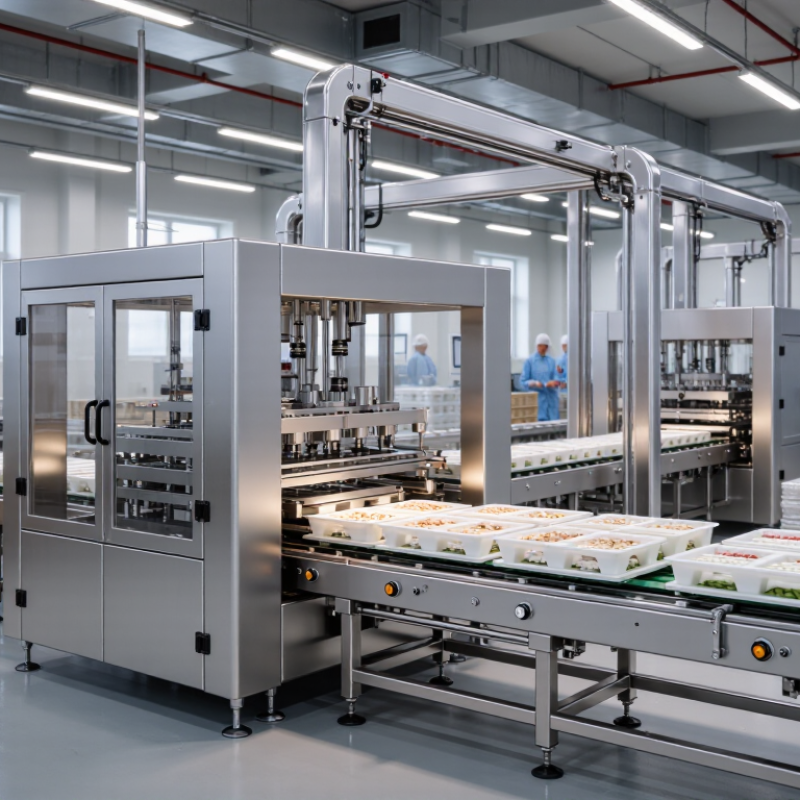
A tray packaging machine places food into a rigid tray, then seals it with film. Common formats include tray sealing, vacuum skin packaging, and modified atmosphere packaging, or MAP. Tray sealing suits prepared meals, meat, seafood, and fresh produce. Vacuum skin packaging removes much of the air. MAP replaces air with controlled gases, often carbon dioxide and nitrogen. Oxygen levels must match the product. Too little oxygen can create quality and safety concerns.
Throughput usually ranges from 30 to 120 trays per minute. That equals about 1,800 to 7,200 trays per hour, before stoppages. The actual rate depends on tray size, film type, sealing temperature, and changeover time. A six-lane machine may appear fast, but poor loading still creates delays. Practical testing matters more than a brochure figure.
The FAO’s 2024 food loss report estimates that 13.2% of food is lost between harvest and retail. Better packaging can reduce handling damage, although it cannot correct weak refrigeration or poor hygiene. PMMI industry research also highlights labor shortages and automation as major packaging concerns. This explains the demand for automatic denesting, filling, sealing, coding, and inspection. However, MAP is not a magic solution. Gas balance, seal integrity, and cold-chain control need regular verification. Even experienced operators sometimes overlook film waste during format changes. That weakness deserves measurement, not excuses.
Which Chinese Tray Packaging Machine Manufacturers Lead in MAP and Automation?
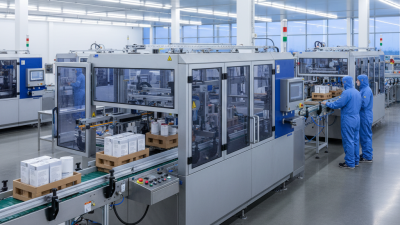
Chinese tray packaging machine manufacturers are gaining attention for combining modified atmosphere packaging, servo control, and fast format changeovers. The strongest suppliers do more than install a sealing unit. They design complete lines around tray size, product temperature, film behavior, and target shelf life.
In practical factory evaluations, MAP performance depends on stable gas mixing and accurate air removal. Reliable machines monitor oxygen and carbon dioxide levels before sealing. They also use leak testing to identify weak seals, damaged film, or tray deformation.
Automated conveyors, robotic loading, and vision inspection reduce manual handling. Useful details include recipe storage, barcode tracking, remote diagnostics, and clear alarm messages. Small details matter.
Not every supplier delivers the same automation depth. Some machines look impressive during demonstrations but struggle with wet products, sticky residues, or frequent product changes. That gap deserves attention.
A serious manufacturer should provide trial production, documented test results, operator training, and accessible spare parts. Hygienic stainless-steel construction is essential, yet cleaning access is sometimes overlooked.
Buyers should question actual cycle speed, gas consumption, sealing consistency, and changeover time. A slower machine with stable MAP results may outperform a faster line that creates frequent rejects.
What Specifications Matter: ±1 mm Positioning and 30–120 Trays per Minute
Tray packaging machines are judged by more than advertised speed.
±1 mm positioning protects seal alignment, label placement, and product presentation. It also reduces tray deformation during transfer.
Grand View Research estimated the global packaging machinery market at USD 55.4 billion in 2023, with continued growth expected through 2030.
This expansion reflects demand for automation and consistent output.
Speed must match real production conditions. A machine rated for 30–120 trays per minute should maintain accuracy across different tray sizes, materials, and filling patterns. PMMI industry reports identify flexible formats, labor efficiency, and faster changeovers as important packaging priorities. Buyers should check whether the stated speed includes inspection, sealing, rejects, and machine stops. Often, it does not.
Test the line with actual trays.
Measure position at startup, after changeovers, and during continuous operation. A vision system can verify alignment, but calibration still matters.
Servo response, conveyor vibration, and tray spacing can affect the final result. The ±1 mm claim may also describe repeatability, not absolute accuracy. That difference deserves attention.
Energy consumption and cleaning access matter too, especially in food production. Smithers’ packaging automation research highlights the growing importance of efficient, adaptable equipment. A slower machine with stable output may outperform a faster machine with frequent stoppages. This is not always obvious.
How Do Certification, Export Support, and Total Cost of Ownership Compare?
China Top Tray Packaging Machine Manufacturers: How Do Certification, Export Support, and Total Cost of Ownership Compare?
Certification should be checked against the destination market, not accepted as a sales promise.
Ask for current certificates, machine test records, and component declarations. A factory audit can reveal whether quality procedures are practiced daily. It also helps confirm traceability for electrical parts and safety guards. Small details matter.
Export support separates a workable machine from an expensive headache.
Reliable manufacturers provide accurate packing lists, wiring diagrams, English manuals, and installation guidance. They should explain voltage, tray sizes, sealing materials, and customs documents before shipment. Remote commissioning is useful, but on-site training may prevent costly operator errors. Response time matters too. Ask how quickly spare parts usually leave the warehouse.
Total cost of ownership needs more than the quotation price.
Compare electricity use, film or tray waste, maintenance intervals, replacement sensors, and expected downtime. A cheaper machine may require more manual adjustments during busy shifts. That difference becomes visible after several months. Request a sample production test using your actual trays and products. Review output speed, seal consistency, changeover time, and rejected packs. I would not rely on a polished demonstration alone. Some comparisons remain uncertain because production conditions change. Still, a five-year cost sheet usually exposes the real gap between offers.