How to Use a Sealer Machine Effectively for Your Packaging Needs?
Choosing the right tools can elevate your packaging efforts significantly. Using a sealer machine is crucial for ensuring your products stay fresh and secure. These machines are versatile, catering to various packaging materials and sizes.
When utilizing a sealer machine, it's vital to understand its features and settings. Proper temperature and pressure adjustments are necessary for optimal sealing. Overheating can lead to damaged packaging, while insufficient sealing may compromise product integrity. Each machine has its quirks that require exploration.
Packaging needs vary greatly across industries. You may encounter challenges like film jams or uneven seals. Learning to troubleshoot these issues can save you time and frustration. Being mindful of your machine’s limitations is essential. Regular maintenance and calibration will enhance performance and lifespan, ensuring effective sealing every time.
Understanding the Basics of Sealer Machines for Packaging
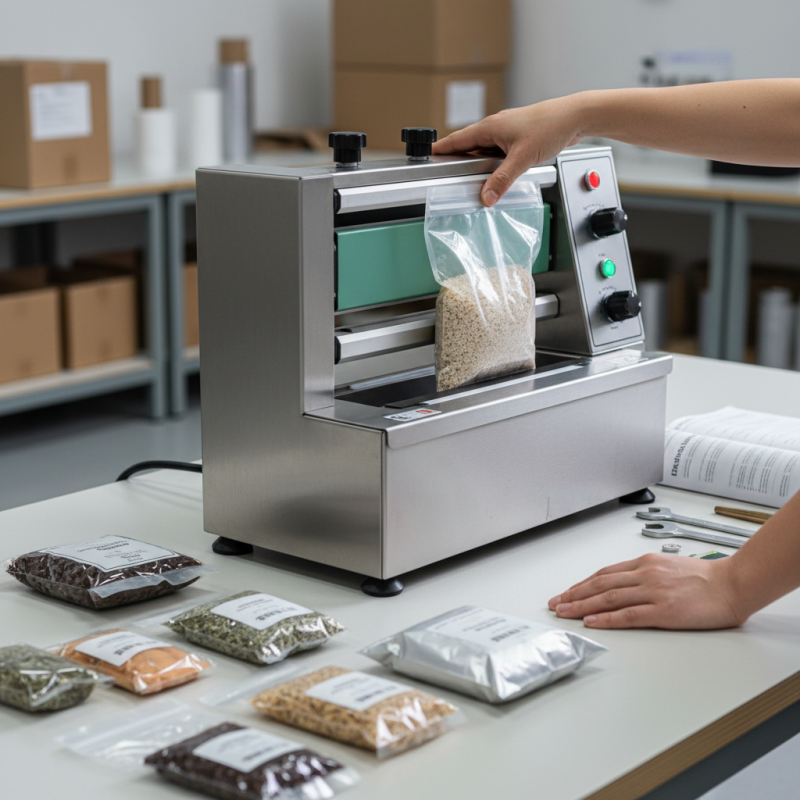
Sealer machines play a vital role in packaging. They ensure products are secure, fresh, and protected from contaminants. Understanding how to use them effectively can greatly improve your packaging process. A sealer machine typically uses heat to bond materials together. This principle is simple, yet the execution can be challenging.
Many users overlook the importance of proper settings. Temperature and pressure need careful adjustment for different materials. If set too high, the packaging may burn. If too low, it won't seal properly. Testing with various materials can be frustrating. However, it's essential for finding the right balance. Regular maintenance is also crucial. Dust and residue can affect performance. It's easy to forget cleaning schedules amid busy production times.
Another common pitfall is not training staff adequately. Without proper knowledge, mistakes can happen. Employees may struggle with machine operation or safety protocols. Investing in comprehensive training is worth it. Mistakes can be costly and lead to wasted materials. Recognizing these areas for improvement is important for maximizing efficiency.
Usage of Sealer Machines for Packaging Needs
Choosing the Right Type of Sealer Machine for Your Needs
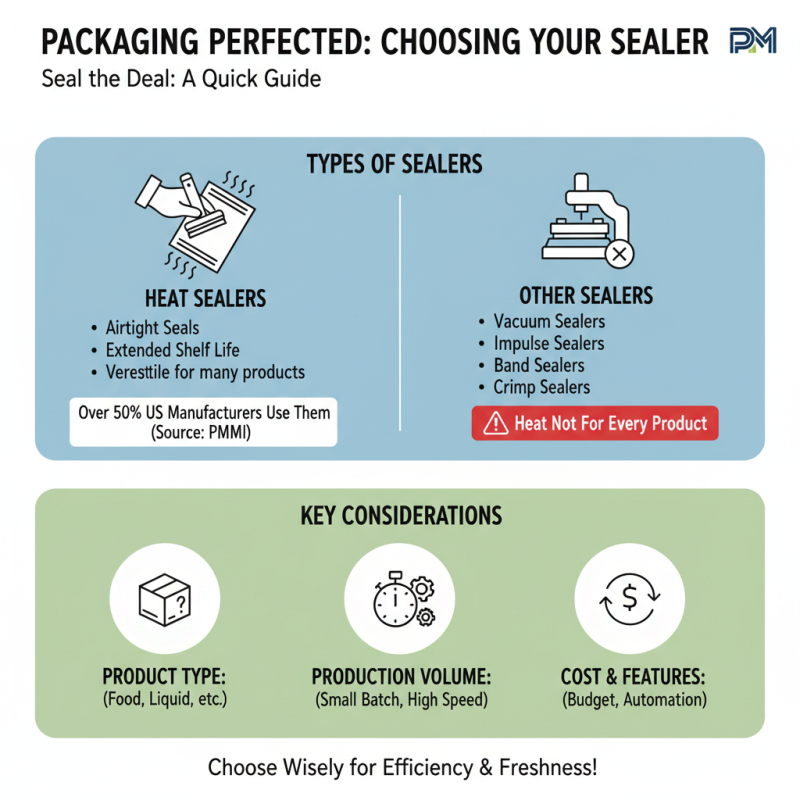
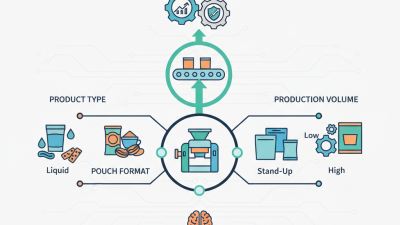
Choosing the right type of sealer machine is crucial for effective packaging. There are several options available, each with different features. An article by the Packaging Machinery Manufacturers Institute (PMMI) shows that over 50% of U.S. manufacturers rely on heat sealers. A heat sealer creates airtight seals, which helps in extending the shelf life of various products. But heat sealing might not suit every product.
Consider flexibility and functionality. Some products need vacuum packaging to restrict air. Vacuum sealers remove air from the package, ensuring freshness. According to a 2022 report from MarketsandMarkets, the vacuum packaging market is projected to reach $31.75 billion by 2027. That reflects a growing need for such technologies. But not all vacuum sealers can handle larger packages or different materials. Choosing the right sealer machine is not just about technology; it's about matching it to your specific needs.
Look into the material compatibility. Some sealers may work well with plastic but struggle with foil or paper. Industry reports indicate that around 40% of packaging failures arise from improper sealing. It’s important to test various materials to find the best fit. Investing time upfront can prevent costly mistakes later. Balancing cost, efficiency, and versatility will lead to better packaging outcomes.
Step-by-Step Guide to Preparing Products for Sealing
Preparing products for sealing requires attention to detail. Start by ensuring your workspace is clean and organized. A tidy area reduces the risk of contamination. It is reported that improper sealing can lead to up to 15% of products being compromised during storage.
Next, select the right materials. Use bags or pouches that match your product size. The thickness of the material matters too; thicker materials often provide better protection. Consider moisture levels. In a recent study, 30% of packaging failures were linked to insufficient moisture control. Properly dehumidifying your products can enhance sealing quality.
Another critical step is to check machine settings. The temperature and sealing time should align with the material being used. Many workers overlook this step, which can lead to weak seals. Manufacturers suggest testing the seal with a few trial runs. Observing the results can highlight any potential errors before final production. Sealing isn't just a process; it involves careful planning and adjustment.
Operating the Sealer Machine: Best Practices and Tips
When operating a sealer machine, understanding its features is crucial. Familiarize yourself with the settings, such as
temperature and time. These adjustments greatly affect the quality of the seal. If the temperature is too high, materials can burn.
Too low, and the seals may not hold. Careful calibration is essential for success.
Regular maintenance is also important. Keep the machine clean to avoid contamination. Dust and debris can compromise the sealing process.
Check the sealing bars regularly. Worn bars can lead to poor seals. Sometimes, taking the time to fix a minor issue can save significant trouble later.
Practice makes perfect. Run test seals with your packaging materials. This step can reveal potential problems early on.
Watch for inconsistencies in the seals. Adjustments may be necessary. Document your settings and results. This will help you refine your process over time.
Remember, even small errors can lead to larger headaches in the future.
Maintaining Your Sealer Machine for Optimal Performance
Maintaining your sealer machine is crucial for ensuring optimal performance. Regular upkeep prevents malfunctions and extends the machine's lifespan. Check the sealing elements frequently. Ensure they are clean and free from residue. This simple step can significantly enhance sealing quality and prevent costly errors.
Tips: Always have spare parts handy. Over time, components may wear down. Being prepared will save you time during urgent packaging tasks. Additionally, keep your work area organized. A clutter-free space minimizes the risk of machine damage and enhances efficiency.
Every machine will face challenges. Sometimes, seals may fail even after following maintenance protocols. It’s essential to troubleshoot errors systematically. Inspect temperature settings and pressure levels. Regular calibration is key, but small discrepancies can lead to problems. Noticing these issues early can prevent significant downtime.