Experience & Vision

Top 10 Tray Sealer Packaging Machines for Global Buyers

Choosing a tray sealer is not just a matter of comparing speed claims. Buyers must match the machine to the product, tray, film, and daily production rhythm. A chilled ready-meal line may need fast changeovers and reliable modified-atmosphere packaging. A small producer may value compact dimensions, simple controls, and accessible service more. Details matter. A seal should look even around the rim, while film waste and rejected packs remain visible on the shift report.

This guide compares ten tray sealer packaging machine options for global buyers. It considers practical factors such as sealing format, output, automation, cleaning access, tooling flexibility, and after-sales support. These are not interchangeable machines. A model suited to a high-volume food plant may be excessive for a short-run operation. Specifications also need context: published cycle rates may differ from real output once loading, product variation, and changeovers are included.

A ranking can help narrow the field, but it cannot replace a line trial. Ask suppliers to test your actual tray and film. Check sample seals, changeover steps, and service arrangements before deciding. Small details can change the result.

The requested expert quotation needs a verifiable source. None was provided, so this introduction avoids inventing a name or attributing an unverified statement. That restraint is deliberate; buyers deserve evidence, not polished claims.
Top 10 Tray Sealer Packaging Machines for Global Buyers

Tray Sealer Packaging Machines: Purpose and Core Components

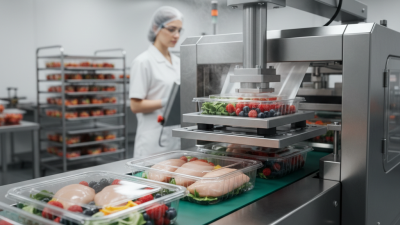
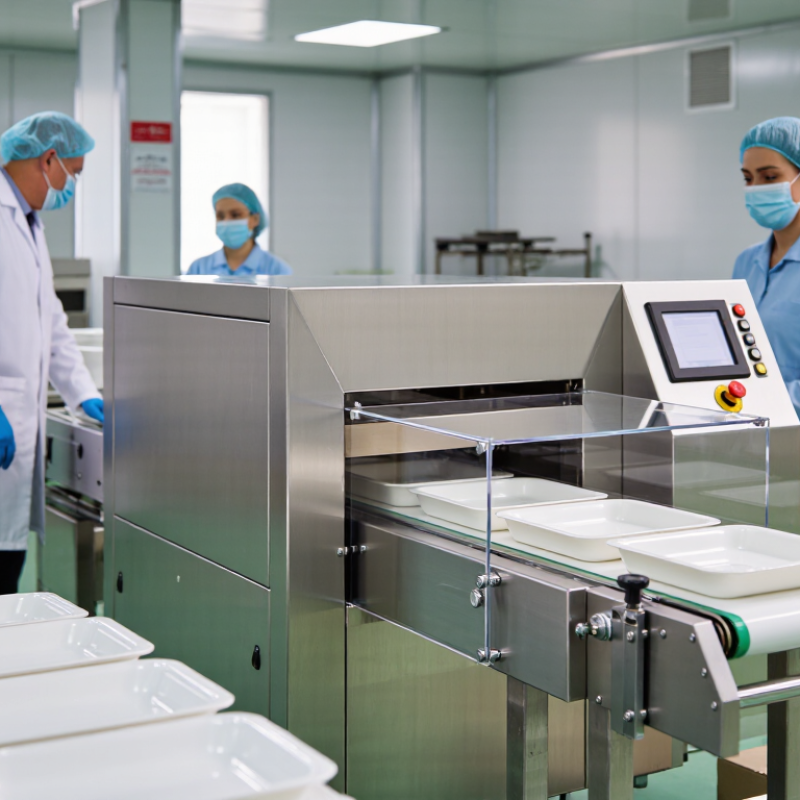
A tray sealer closes a prepared tray with lidding film, creating a consistent package for handling, display, or storage. The seal helps limit leaks and exposure, but it cannot compensate for poor food handling or unsuitable packaging. On a chilled-food line, operators may see clear film pulled across a tray, then pressed firmly around its rim. Small changes matter. Tray shape, film type, and sealing settings must work together.

A typical machine includes a frame, tray-loading area, film reel, sealing station, and control system. The reel feeds film over the trays, while a heated sealing die applies controlled pressure and temperature. Some machines also use vacuum or gas-flushing equipment, depending on the product and package requirements. Sensors can check tray position and film feed before the next cycle. Useful, but not flawless. A sauce smear on the tray rim can weaken the seal, even when the machine settings look correct. Teams should inspect seals and adjust settings when changing tray or film specifications. One overlooked detail: cleaning around the die takes time, and rushed checks can leave residue that affects later packages.

How Tray Sealing Machines Operate

How Tray Sealing Machines Operate

A tray sealer turns prepared trays into closed, transport-ready packs through a timed sequence. An operator or feeder places each tray into a forming nest. The machine indexes it beneath a film web, then a die cuts and seals the film to the tray rim. Heat, pressure, and dwell time must match the film and tray materials. Too much heat can warp a rim; too little can leave a weak seal. Some machines also remove air and introduce a gas mixture for modified-atmosphere packaging. That step is optional, and its settings depend on the food and packaging specification.

PMMI’s 2023 State of the Industry report puts U.S. packaging machinery shipments at about $10.9 billion in 2022, up 9.8% from 2021. This signals strong equipment demand, but it does not guarantee a suitable seal. During production, sensors check tray presence and film position, while operators monitor temperature, pressure, and cycle time. A sealed pack may look neat and still leak. Routine seal tests matter.

Tips: Test with your actual tray and film before setting a production recipe. Inspect the seal edge for wrinkles, food residue, or gaps. Record the settings and results. Small changes in material lots can matter, and a clean-looking seal is not proof of a reliable one.

Main Machine Types and Their Applications

Top 10 Tray Sealer Packaging Machines for Global Buyers

Main Machine Types and Their Applications

Tray sealers range from compact manual units to automated inline systems. Manual and semi-automatic machines suit cafés, test kitchens, and small processors handling short runs. Operators place trays by hand, making format changes simple, though labor needs can rise quickly. Automatic rotary or inline sealers fit larger food plants, where trays move through filling, gas flushing, sealing, and discharge with less handling. Vacuum and modified-atmosphere packaging (MAP) models are common for fresh meat, prepared meals, and produce. MarketsandMarkets estimates the global MAP market will grow from about USD 15.9 billion in 2024 to USD 20.9 billion by 2029. That signals demand, but not a guarantee of return for every buyer.

Skin-pack sealers hold film closely against products such as fresh cuts or ready-to-cook portions. They can improve display and reduce movement inside the pack. Yet film choice, tray stiffness, and product shape affect the result. One detail is easy to miss: a fast machine may still lose time during cleaning and changeovers. Match output targets to actual shift patterns, not brochure speed.

Tip: Test your own trays, film, and product on the machine. Check seal integrity, changeover time, and cleaning access before specifying capacity. Small trials reveal awkward details.

Top 10 Tray Sealer Packaging Machines for Global Buyers

Global buyers compare tray sealers across production speed, tray dimensions, sealing method, and service access. A useful top-ten shortlist should include compact manual units, semi-automatic machines, and higher-output automatic systems. Check maximum tray depth and cavity layout against your actual containers, not a catalogue photo. Ask how quickly operators can change tooling and clean sealing surfaces. Fit matters. A machine rated for high output may still slow a line if loading is awkward.

Tips: Bring sample trays, film, and the product to a supplier trial. Watch several sealing cycles, then inspect corners for wrinkles, leaks, or uneven seals. Confirm electrical requirements, operator training, spare-part lead times, and support hours for your region. Small details count.

Consider whether you need vacuum or gas-flushing options; these add process steps and require suitable checks for your product. Request clear data on cycle rate, expected changeover time, and acceptable seal conditions. Compare the same test criteria for every candidate. A spreadsheet can make this look simpler than it is: real products behave differently from empty trays, and a rushed trial can hide problems. Leave room in your evaluation for operator feedback and follow-up testing.

Top 10 Tray Sealer Packaging Machines for Global Buyers

No. Machine Configuration Typical Production Fit Common Sealing Options Tray Compatibility Best Suited For Key Buyer Checks
1 Manual tabletop tray sealer Low-volume production, trials, and short runs Heat sealing; some setups support vacuum or gas flushing Tray materials must match the sealing film and tooling; common options include PP and CPET Small food producers, test kitchens, and product development Confirm usable tray dimensions, tool-change process, power supply, and whether gas flushing is included
2 Semi-automatic single-station sealer Low-to-medium production with an operator loading trays Heat sealing, with vacuum or modified-atmosphere options on suitable models PP, PET, or CPET trays when the tray flange and lidding film are compatible Small and medium processors seeking repeatable seals without a fully automatic line Check cycle controls, safety features, changeover time, and availability of matching trays and film
3 Vacuum chamber tray sealer Low-to-medium production; output depends on chamber size and loading Vacuum sealing; some configurations can introduce protective gas before sealing Rigid trays designed to withstand the selected vacuum process Products where air removal is important, such as selected meat, seafood, and prepared foods Verify vacuum pump capacity, product sensitivity to pressure, chamber dimensions, and cleaning access
4 Modified-atmosphere packaging (MAP) sealer Low-to-high production, depending on station design and automation Air evacuation and gas flushing before the lidding film is sealed Sealable trays and films suitable for the chosen gas mixture and application Fresh foods packaged with a controlled headspace atmosphere Assess gas supply and consumption, flushing performance, seal integrity, and any local food-packaging requirements
5 Automatic inline single-lane sealer Medium-to-high production integrated into a conveyor line Heat sealing; MAP or vacuum options depend on machine specification Consistent tray formats that can be transferred and positioned automatically Processors with a steady product flow and limited tray-format changes Check line speed compatibility, infeed and outfeed height, coding options, and integration requirements
6 Automatic inline multi-lane sealer High production potential through parallel lanes; actual output depends on tooling and product Heat sealing, with vacuum or MAP configurations available for appropriate applications Matched tray dimensions and lane layouts are essential for reliable feeding and sealing Large-volume operations running stable products and formats Confirm lane count, tooling cost, tray-feed accuracy, changeover needs, and downstream handling capacity
7 Rotary indexing tray sealer Medium-to-high production with multiple work positions Heat sealing; vacuum and gas-flush functions depend on the station design Trays must fit the rotary tooling and be securely located at each station Facilities needing automated loading, sealing, and discharge in a compact footprint Review station layout, operator access, tool-change procedure, and compatibility with existing conveyors
8 Vacuum skin packaging (VSP) tray sealer Low-to-high production, depending on whether the system is manual or automatic Vacuum skin sealing, where heated film conforms closely around the product and tray Requires a compatible skin film and tray or support board with suitable sealing surfaces Products where close film contact and product presentation are desired Test film performance, product shape, tray or board compatibility, and the finished pack’s handling needs
9 Continuous-motion high-speed tray sealer High-volume lines with consistent products and packaging formats Continuous heat sealing; advanced configurations may support MAP Uniform trays and a stable supply of compatible lidding film help maintain line performance Large processors prioritizing continuous operation and integration with automated lines Check validated output for the intended pack, film tracking, reject handling, maintenance access, and line controls
10 Hygienic washdown tray sealer Medium-to-high production, depending on automation and cleaning requirements Heat sealing; optional vacuum or MAP functions vary by configuration Tray and film compatibility remains application-specific, including seal-flange design Food-processing environments that require frequent, thorough equipment cleaning Review the manufacturer’s stated washdown rating, hygienic design features, drainage, and cleaning procedure

These are common machine configurations, not a ranking of specific products. Actual output, sealing performance, and material compatibility depend on the machine, tooling, tray design, film, product, and process conditions. Confirm requirements with packaging trials before purchase.

How to Compare Models for Production and Market Needs

When comparing the ten tray sealer models, start with the actual line requirement, not the fastest number in a brochure. Record trays per minute during a typical shift, including loading and film changes. A machine rated for high output may slow down when operators handle several tray sizes. Ask for a test using your tray, film, and product.

Check sealing consistency across the tray corners and around the rim. Look for simple controls, accessible tooling, and clear changeover steps. A five-minute adjustment repeated often can cost more than a modest difference in purchase price. Small details matter. Also compare cleaning access, compressed-air demand, electrical supply, and available floor space. These affect installation and daily use.

Market needs vary. Some buyers need gas-flush capability, while others prioritize compact equipment for standard sealed packs. Confirm which tray materials and film structures the machine supports, then verify performance with sample packs. In plant evaluations, I would track seal rejects and changeover time, not just cycle speed. A tidy comparison sheet helps, but it can still miss awkward access or operator fatigue. That part deserves a real trial.

Go to Top